20 Deadly Tourist Mistakes That Can Kill You Fast – From Locals Worldwide
Advertisements

NIGHT SWIMMING ON PHUKET BEACHES, THAILAND
On Phuket’s festive shores, a dangerous nighttime ritual repeats itself. Tourists, after heavy drinking at beach parties, often stumble into the dark sea for a swim. Their judgment clouded by alcohol, they fail to recognize the lethal threats: powerful hidden undertows and the complete absence of lifeguards after sunset. Struggles in the water go unseen and unheard. Tragically, many are only found the next morning, their bodies washed onto the sand at dawn. In mere moments, a night of celebration turns into an irreversible tragedy, highlighting a fatal disconnect between the party atmosphere and the ocean’s unforgiving dangers.
Phuket’s black waves hide deadly pulls after sunset, but Bangkok’s streets turn rentals into rolling coffins. The next page revs up inexperienced scooter rides amid gridlock, ignoring license rules for quick thrills that end in blood…
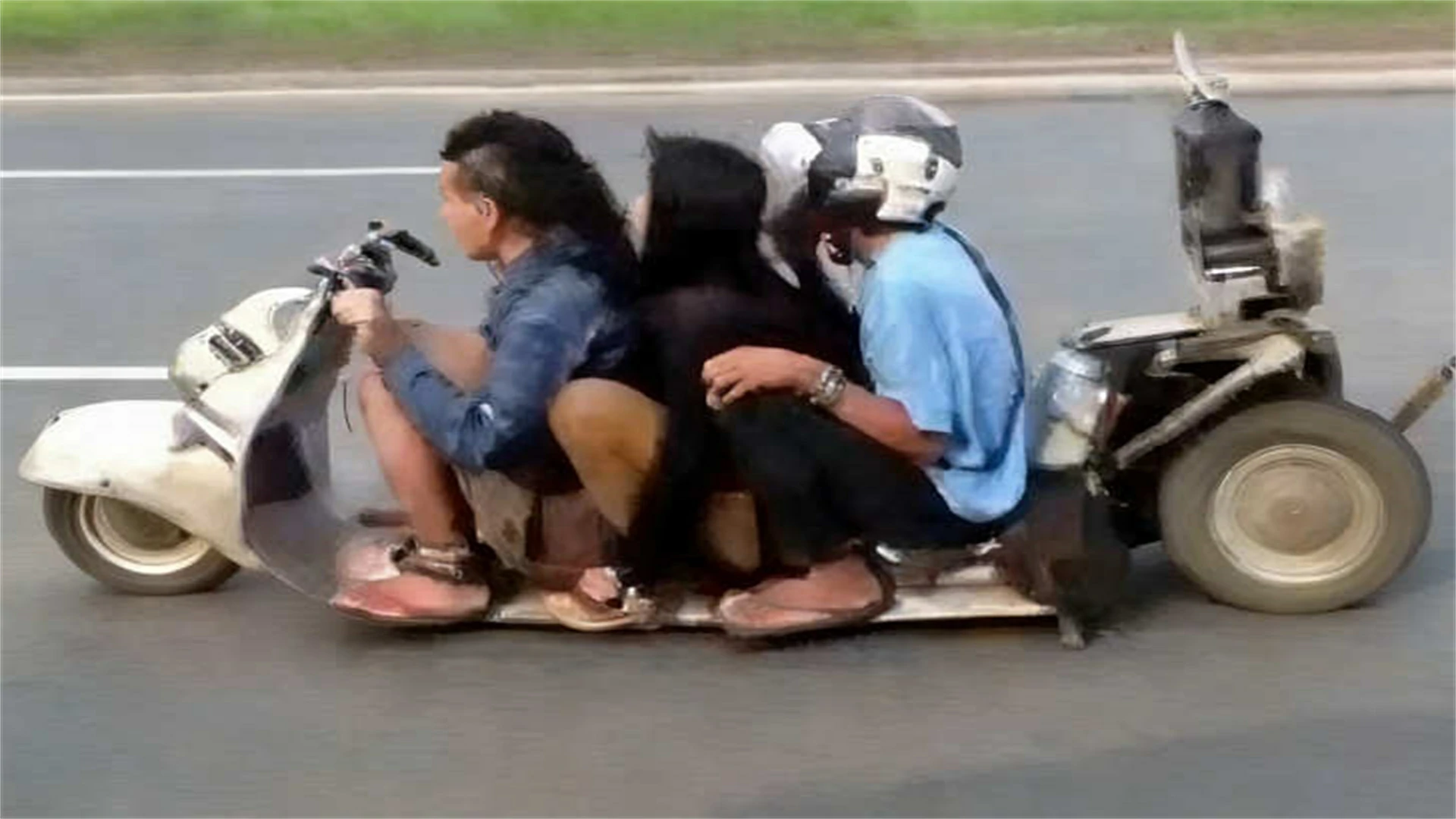
RENTING SCOOTERS WITHOUT EXPERIENCE IN BANGKOK, THAILAND
In the bustling, chaotic streets of Bangkok, Thailand, a common and perilous sight involves inexperienced foreign tourists renting motorbikes and scooters to navigate the city’s notoriously congested and fast-paced traffic. Often seeking convenience and a sense of local adventure, many riders forego essential safety gear—particularly helmets—and gravely underestimate the aggressive, unpredictable flow of vehicles around them. This dangerous combination frequently leads to high-speed collisions, with severe and often fatal head injuries being a common outcome. Local residents and emergency services witness dozens of such severe accidents annually, grimly referring to these readily available rentals as a direct “fast track” to the hospital or the morgue for unprepared visitors who lack both the skill and respect for the dangers of Bangkok’s roads.
Thailand’s roads punish the inexperienced on two wheels – yet its wildlife punishes closer encounters even harder. Flip the page to Chiang Mai, where unauthorized elephant feeding defies sanctuary guidelines, provoking attacks that trample and gore…
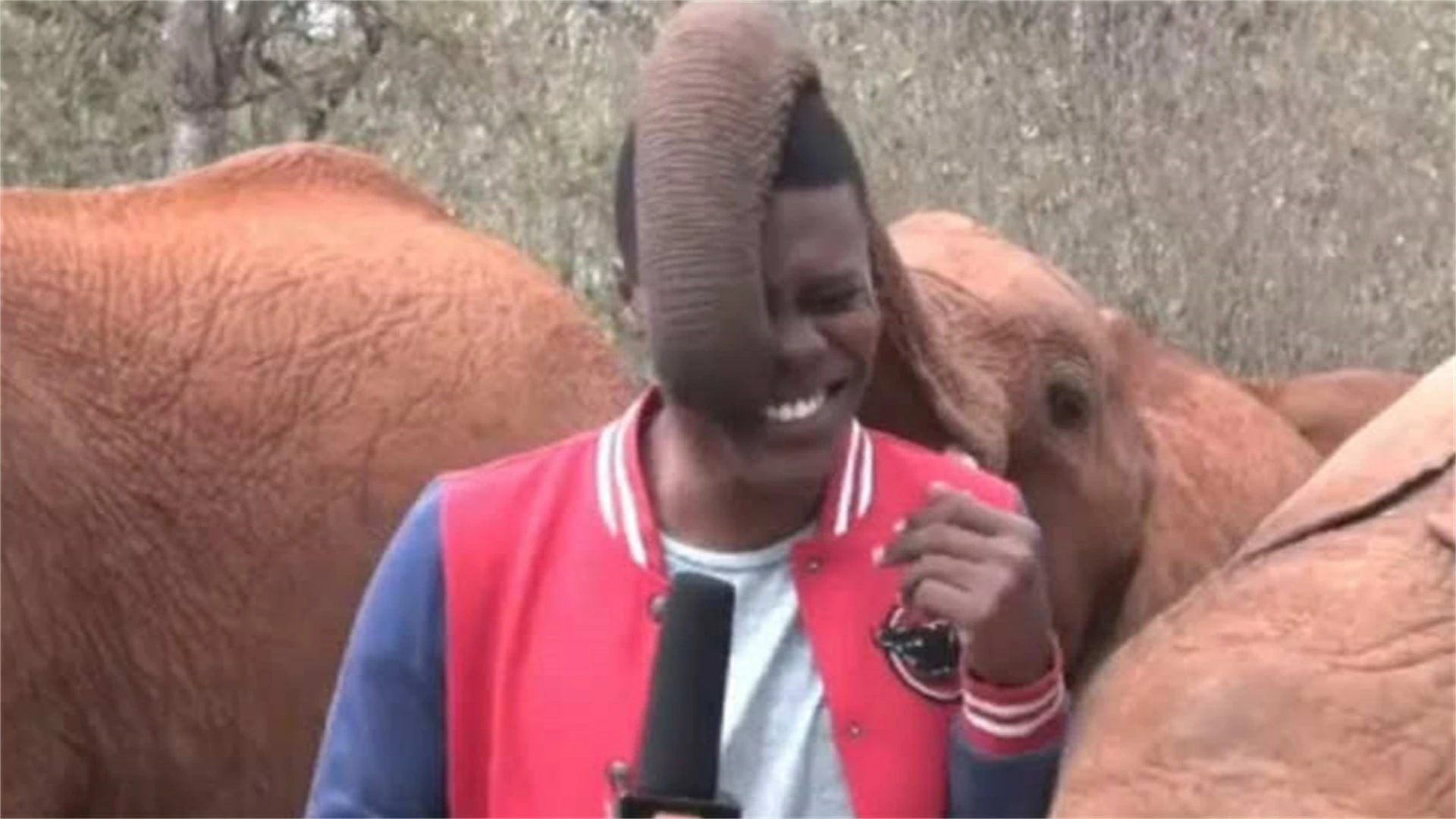
UNAUTHORIZED ELEPHANT FEEDING IN CHIANG MAI, THAILAND
In the elephant sanctuaries around Chiang Mai, Thailand, tourists seeking close encounters sometimes ignore strict no-contact rules, attempting to feed animals or take risky selfies. This intrusion can startle and stress the rescued elephants, provoking sudden, powerful defensive charges. Despite their calm reputation, these giants can trample or gore a person instantly, causing fatal injuries. Such tragedies highlight a dangerous disconnect: these are wild animals, not attractions. Disregarding safety protocols and bypassing experienced guides transforms a moment of curiosity into a catastrophic event, underscoring the vital need for respectful distance.
Unauthorized animal encounters turn deadly on land – but add dizzying heights and thieving monkeys for double jeopardy. Flip the page to Uluwatu Temple in Bali, where cliff-edge selfies defy safety…
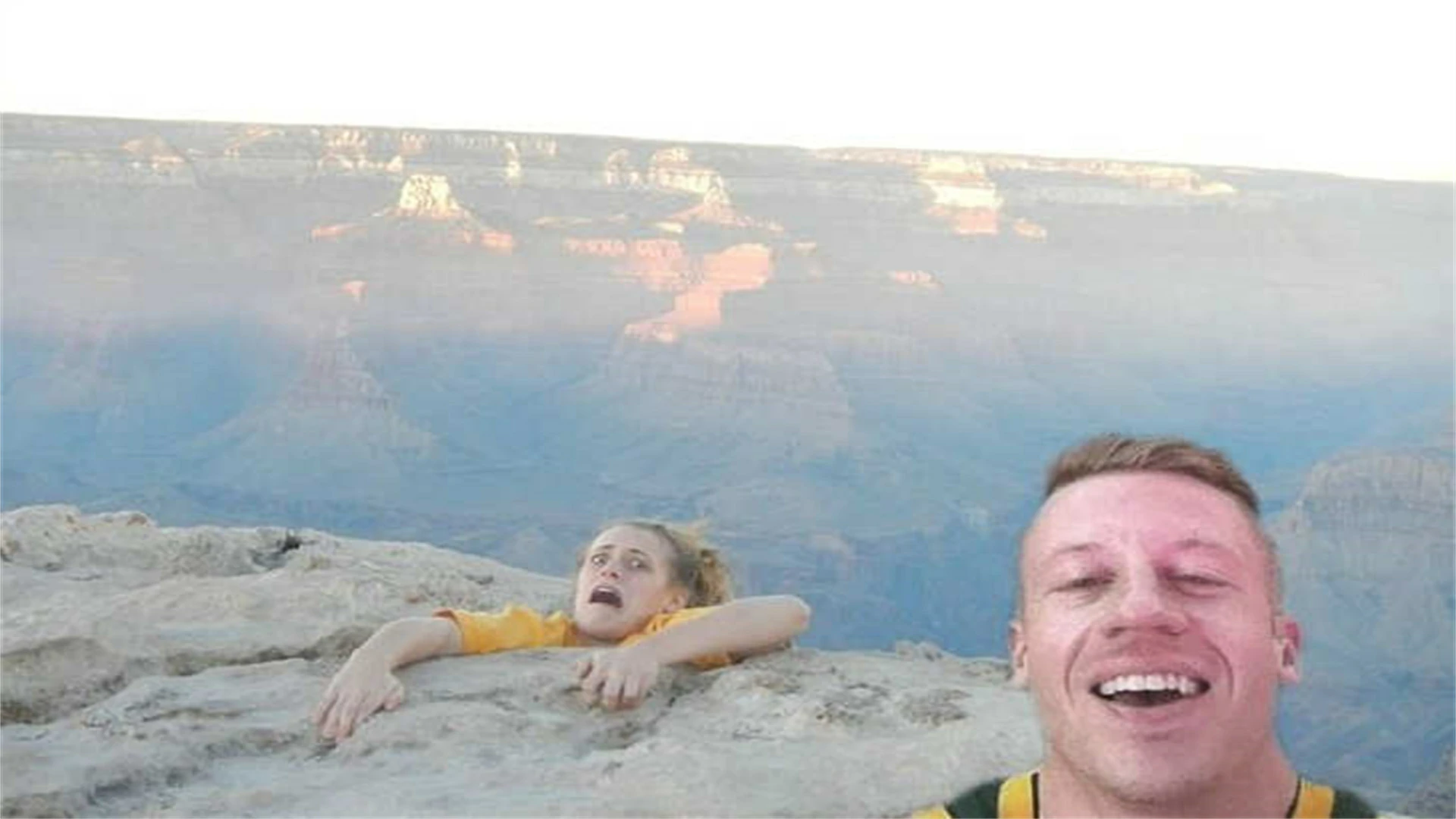
CLIFF SELFIES AT ULUWATU TEMPLE, BALI, INDONESIA
At Bali’s iconic Uluwatu Temple, perched atop dramatic limestone cliffs overlooking the Indian Ocean, a perilous trend for the perfect photograph has emerged. Visitors frequently ignore safety barriers and warnings to venture onto unstable, crumbling edges for a dramatic shot. This high-risk behavior is compounded by distracting elements like agile monkeys known for snatching belongings and sudden, powerful gusts of wind. These factors have led to tragic slips and fatal falls of hundreds of feet onto the jagged rocks and surging waves below. Despite constant patrols and urgent pleas from temple rangers against this viral photo trend, the pursuit of social media acclaim continues to result in preventable tragedies at this sacred site.
Bali’s coastal cliffs punish the careless with sheer drops. Flip the page to thrill-seekers defying safety at spots like Aling-Aling, where one wrong jump ends in tragedy…
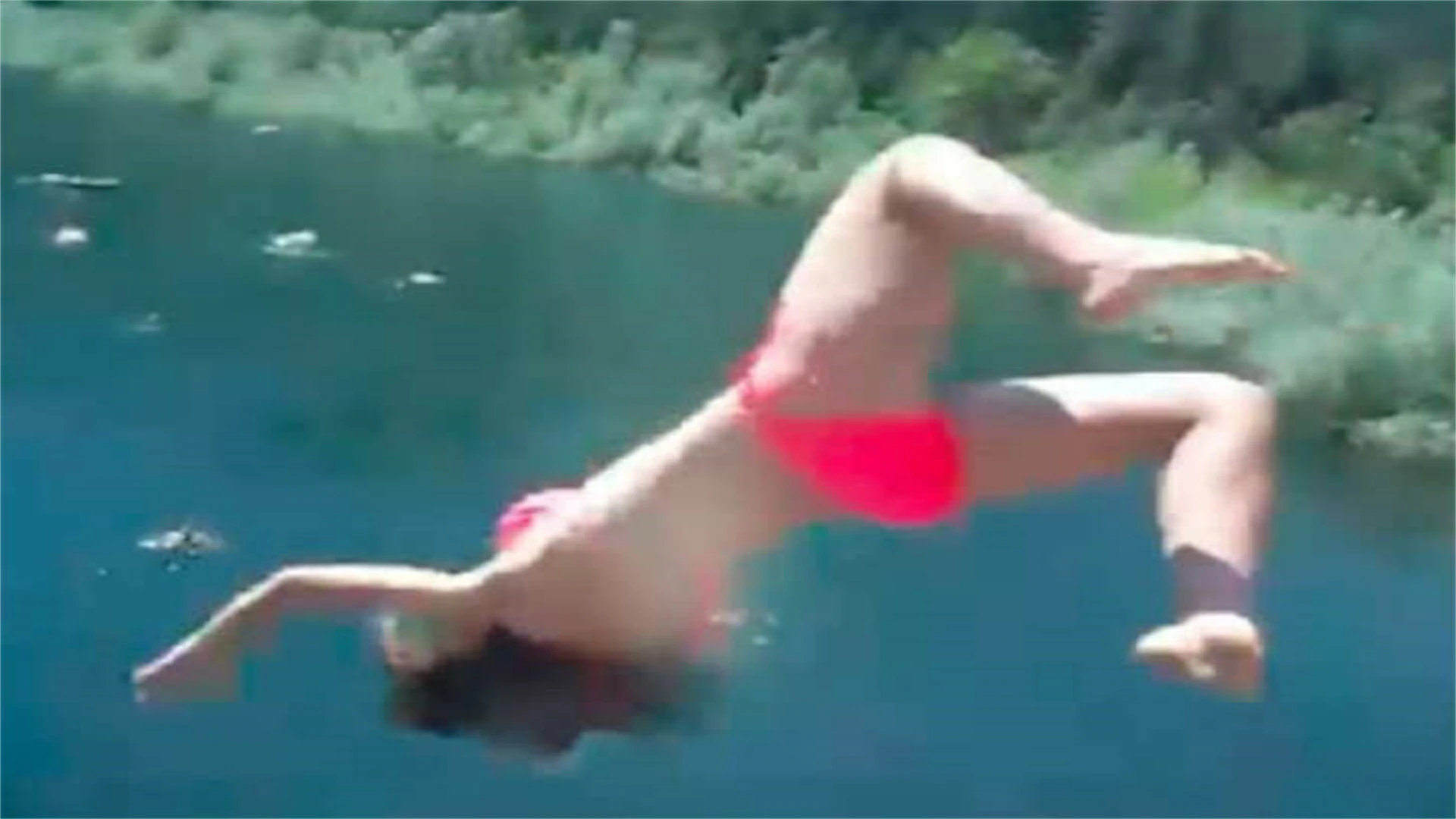
WATERFALL JUMPS IN BALI, INDONESIA
In the lush interior of Bali, Indonesia, popular waterfalls such as Tegenungan and Aling-Aling, especially near Ubud, draw thrill-seekers eager for adventure. Despite clear dangers, some visitors recklessly leap from high ledges into the pools below without first verifying the water’s depth or checking for submerged rocks and debris. This can result in catastrophic spinal injuries upon impact or instant drowning. Furthermore, the tropical environment poses another hidden risk: sudden, powerful flash floods can surge through the canyon without warning, sweeping away unaware climbers and swimmers with fatal consequences. These preventable tragedies starkly contrast the serene beauty of the locations, underscoring the critical need for caution and respect for natural forces.
Waterfalls hide shallow dangers under the plunge – but Iceland’s ground conceals boiling traps under innocent-looking mud. Flip the page to restricted geothermal areas around Reykjavik, where stepping off paths turns scenic walks into agonizing scalds or worse…
ENTERING RESTRICTED GEOTHERMAL AREAS IN REYKJAVIK REGION, ICELAND
In Iceland’s geothermal areas like Geysir, tourists often leave marked paths to walk on thin crusts over boiling springs. The ground can collapse, plunging them into scalding, acidic water. This causes immediate, horrific third-degree burns that are often fatal within minutes. Despite clear warnings, the pursuit of a photo or a closer look leads to tragic accidents. These zones are deceptively beautiful but lethally fragile, reminding us that natural wonders demand respect and caution. Straying from the boardwalk can have irreversible consequences.
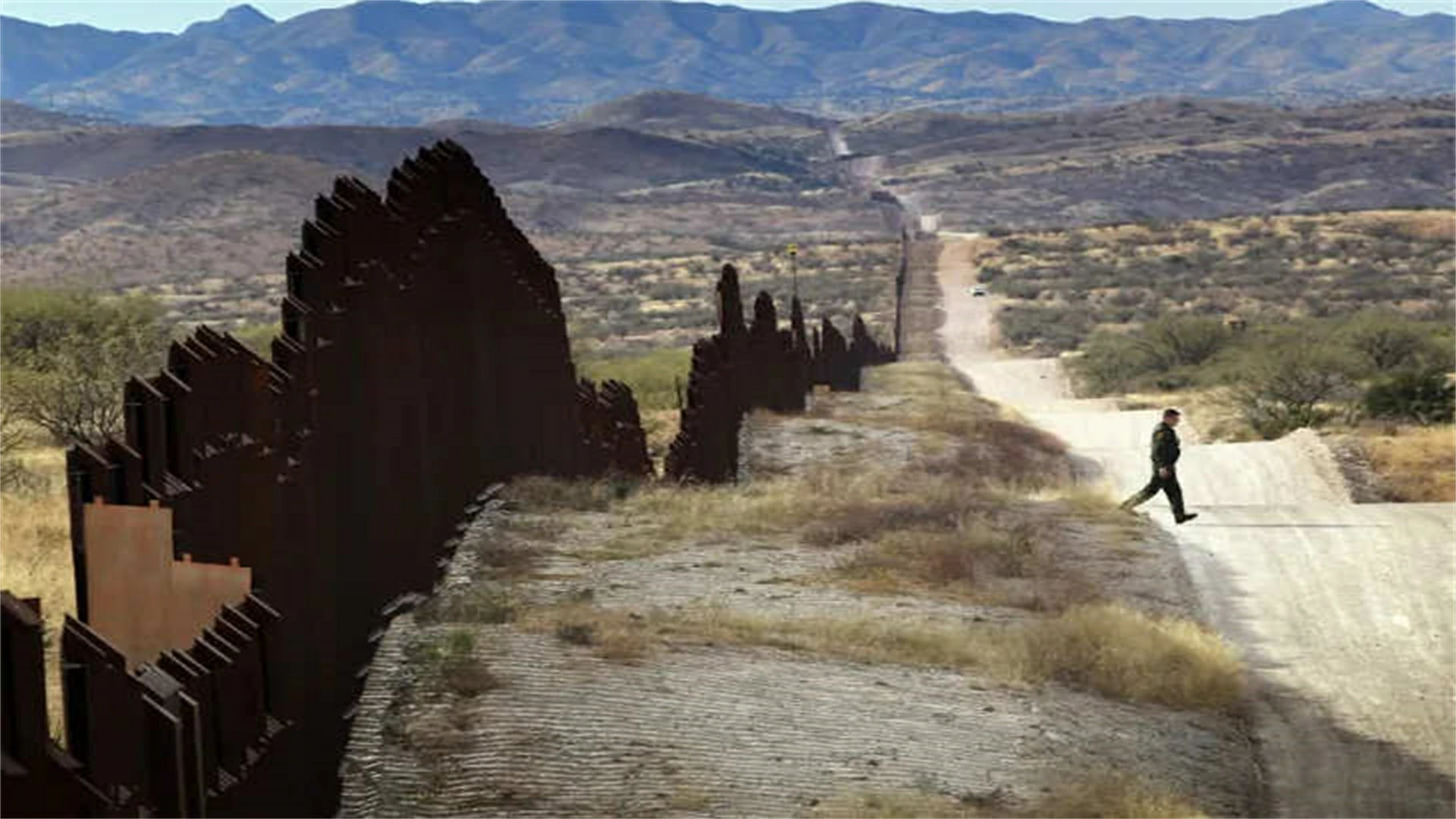
Geothermal fields burn the careless underfoot – but Iceland’s rugged Highlands test wheels and judgment far from help. Flip the page to highland off-roading gone wrong…
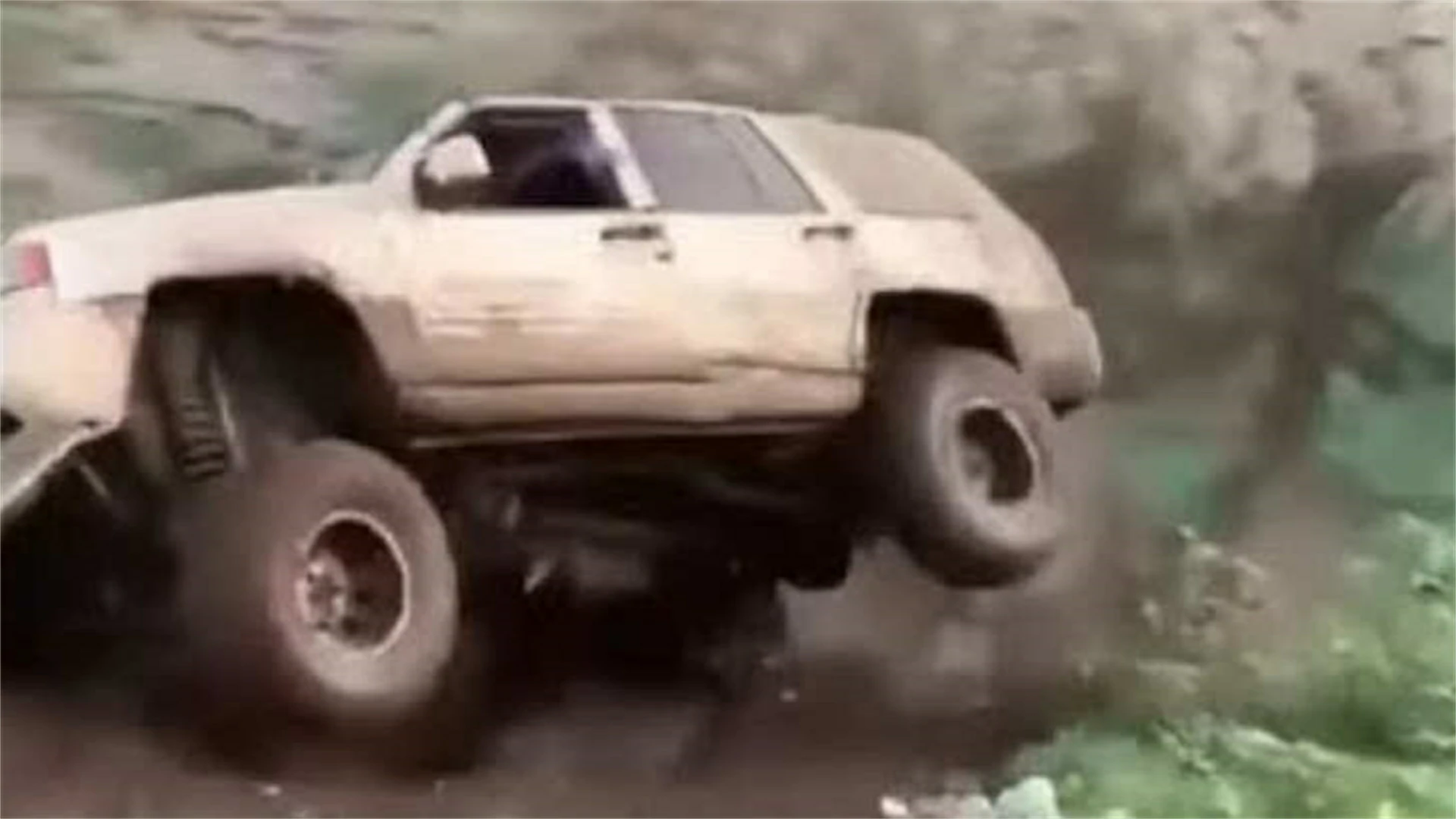
DRIVING OFF-ROAD IN ICELAND’S HIGHLANDS
In Iceland’s remote highlands, tourists in rented cars frequently ignore critical warnings and attempt to navigate rugged F-roads and cross powerful glacial rivers in unsuitable 2WD vehicles. These cars are easily swept away by sudden currents or become hopelessly stranded. With weather that shifts violently to freezing conditions, stranded drivers face rapid-onset hypothermia, often with fatal results. These preventable tragedies underscore the severe disconnect between visitor preparedness and the raw, unforgiving power of Iceland’s wilderness.
Off-road rules exist to keep Iceland’s interior survivable – wildlife rules exist to keep Yellowstone’s visitors alive. Flip the page to thrill-seekers breaching safe distances with bison and bears, paying the price with horns through the chest or jaws around the throat…
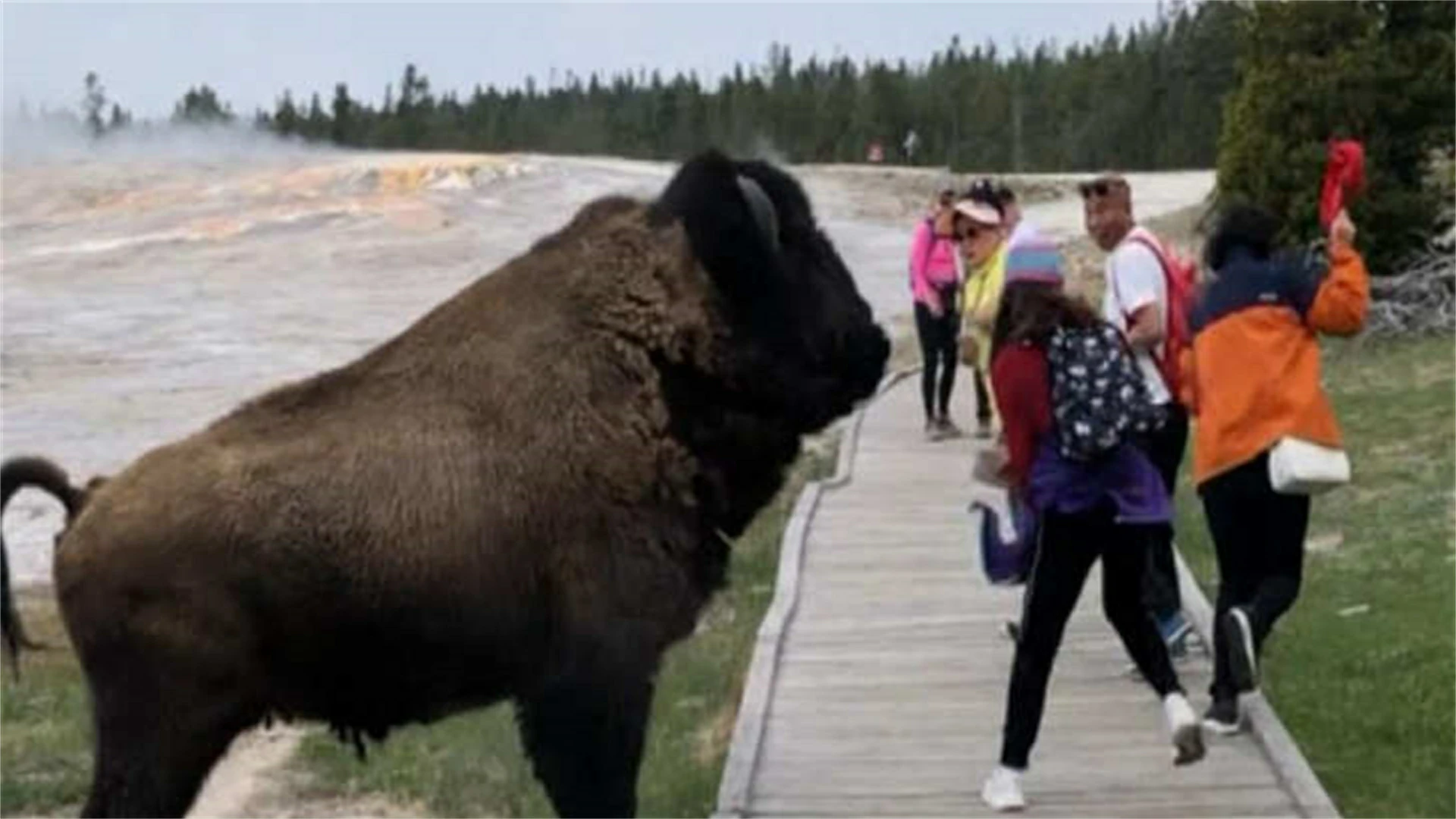
APPROACHING WILDLIFE IN YELLOWSTONE NATIONAL PARK, USA
In Yellowstone National Park, Wyoming, a persistent and dangerous trend sees visitors ignoring strict safety rules by approaching wildlife for photographs. Tourists frequently leave their vehicles to get dangerously close to bison and bears, profoundly underestimating the animals’ speed and potential for sudden aggression. While bear attacks capture headlines, bison are responsible for more serious injuries and fatalities. A bison can charge in an instant, using its powerful horns to gore a person, often resulting in catastrophic internal injuries. These tragic encounters, entirely preventable by maintaining a safe distance, highlight a critical misjudgment of wild animals’ nature and power.
Wild animals demand respect through distance – yet the park’s colorful pools demand it through “do not enter.” The next page steams with tragedies of swimming in Yellowstone’s hot springs, where beauty masks water hot enough to cook flesh in minutes…
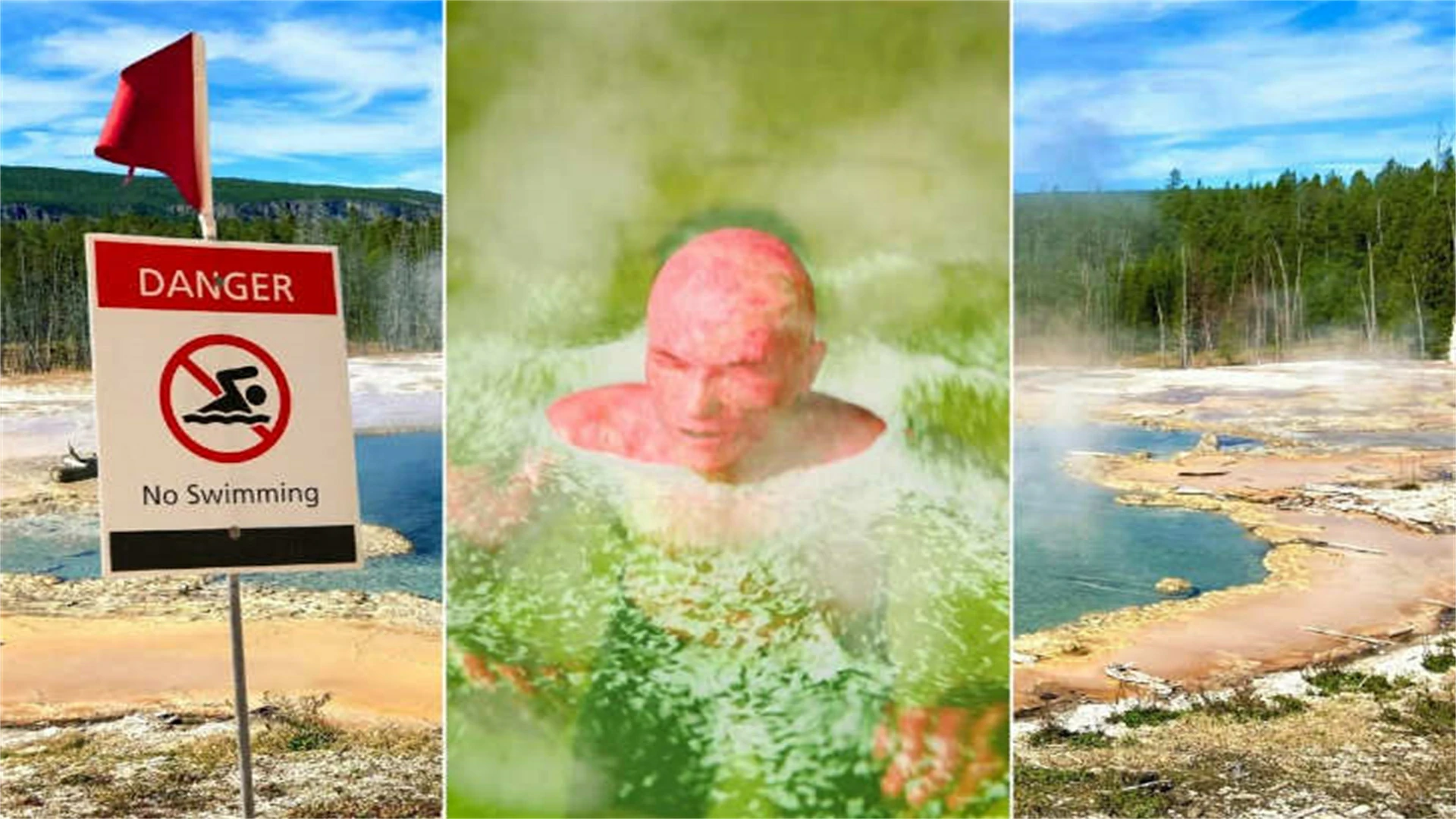
SWIMMING IN HOT SPRINGS AT YELLOWSTONE, USA
In Yellowstone National Park, the vivid, otherworldly thermal features like the Grand Prismatic Spring exert a fatal allure. Despite clear “no entry” barriers and constant warnings, some visitors disregard all safety protocols, venturing off-boardwalk to attempt forbidden dips in the pools. The consequences are instant and horrific. The waters are often at or above the boiling point and are highly acidic. Immersion results in rapid, fatal scalding and toxic chemical burns so severe they can dissolve tissue. Tragically, several individuals have perished in this manner, effectively cooking alive in pursuit of an illicit and deadly swim.
Hot springs punish entry with invisible burns – but Yosemite punishes the bold with unforgiving drops. Flip the page to free climbers defying ropes, where experience meets gravity in heart-stopping solos that claim lives in seconds…
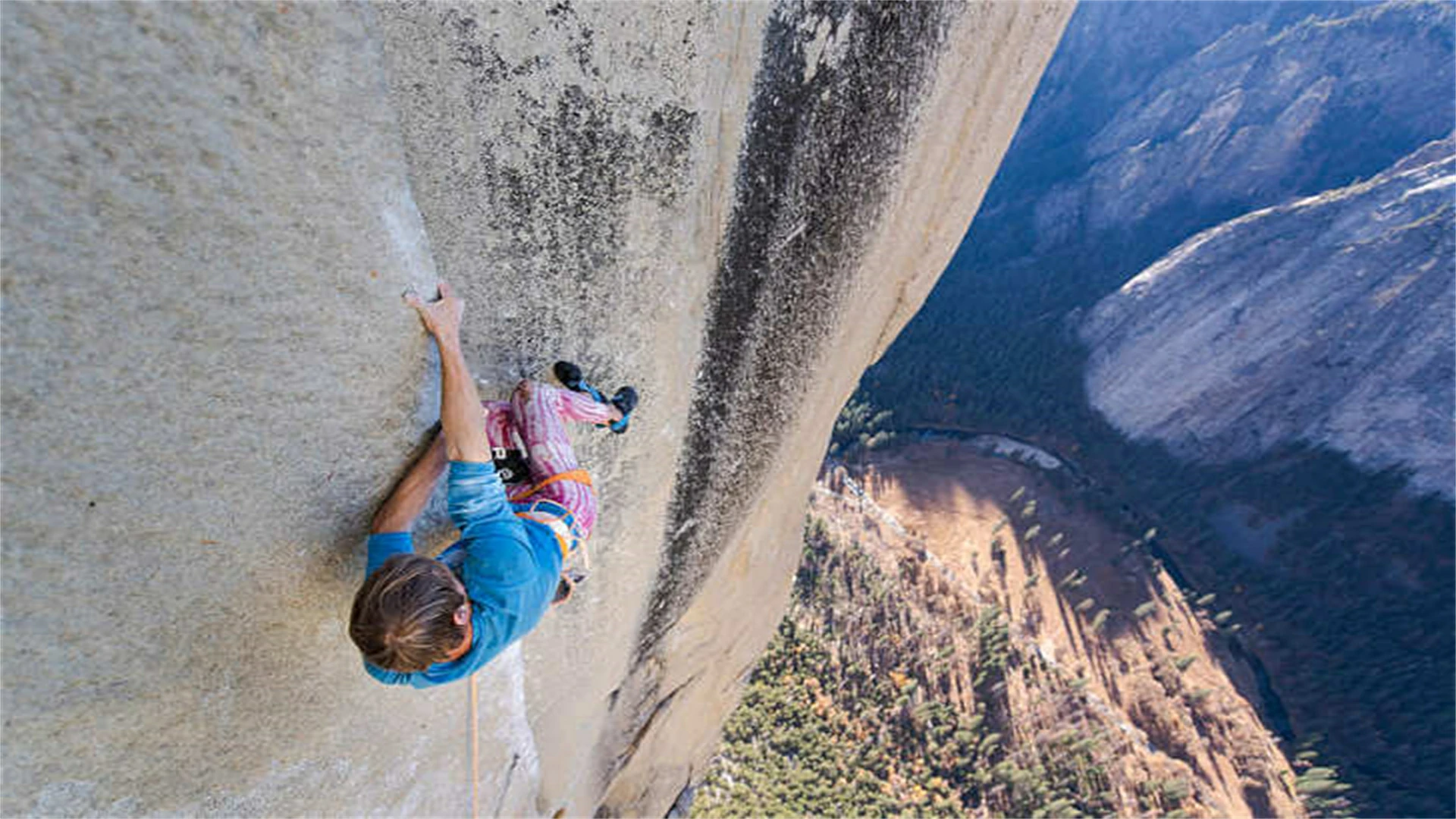
FREE CLIMBING IN YOSEMITE NATIONAL PARK, USA
In Yosemite National Park, overconfident hikers routinely attempt the infamous Half Dome cables and other steep granite routes without permits, harnesses, or experience. During crowded summer conditions or sudden thunderstorms, the polished rock becomes treacherously slick. A simple loss of grip can lead to a fatal, thousands-foot plunge. Furthermore, exposed peaks like Half Dome become lethal lightning rods during storms, delivering instant electrocution. Park rangers conduct grim body recoveries with tragic regularity, underscoring that these are entirely preventable deaths resulting from a dangerous underestimation of Yosemite’s raw, unforgiving vertical terrain and volatile weather.
Free climbing defies ropes and gravity for the ultimate rush in Yosemite – wandering into favelas defies safety and common sense for the “real” Rio. Flip the page to tourists lost in gang-controlled neighborhoods, paying the price with wallets, freedom, or lives…

WANDERING INTO FAVELAS IN RIO DE JANEIRO, BRAZIL
In Rio de Janeiro, tourists seeking an “authentic” experience sometimes venture from safe zones like Copacabana into unmarked favelas. Unaware they are entering active gang territories, their visible cameras or jewelry can trigger instant armed robberies or kidnappings. They also risk being caught in deadly crossfire. Local residents and authorities consistently warn that these neighborhoods are no-go areas for unaccompanied outsiders. Without the protection and knowledge of a trusted local guide, such exploration carries a severe and immediate risk of violent crime, turning a quest for culture into a potentially tragic mistake.
Favelas punish curiosity with violence – but Yungas Road punishes hubris with unforgiving cliffs. The next page pedals down the world’s most dangerous road, ignoring experience limits for adrenaline descents that too often end off the edge…
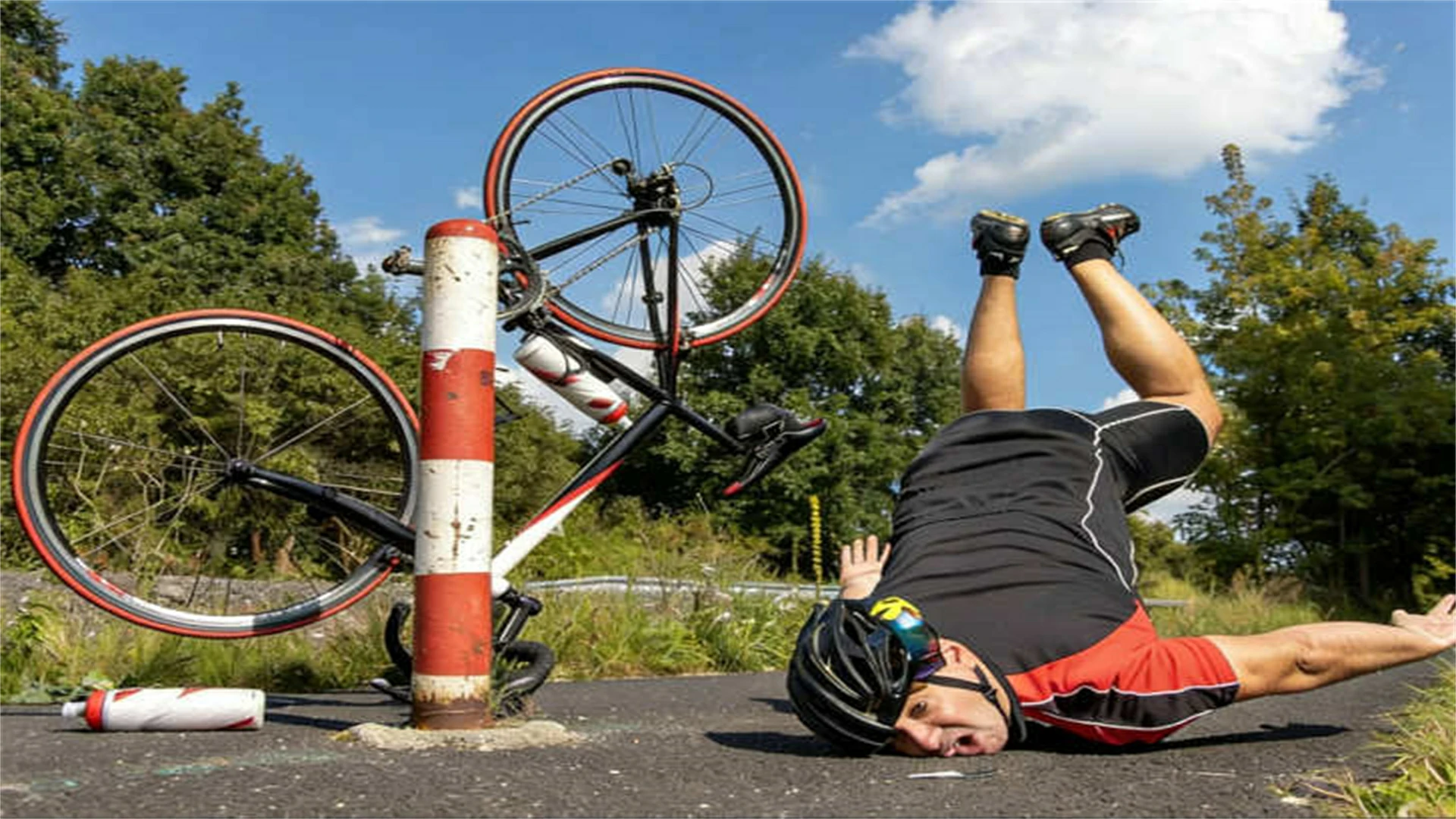
OVERCONFIDENT BIKING ON YUNGAS ROAD, BOLIVIA
On the infamous Yungas Road outside La Paz, Bolivia, thrill-seeking tourists often rent mountain bikes to descend the narrow, cliff-hugging route known globally as the “Death Road.” Pursuing an adrenaline rush, they descend at high speeds despite hazardous conditions like dense fog, rain, and notoriously unreliable rental equipment with poor brakes. On the road’s countless blind curves, a momentary misjudgment or brake failure can cause a rider to catapult over the edge, tumbling hundreds of meters down the sheer mountainside. Local guides report that these entirely preventable, high-impact crashes claim dozens of tourist lives on this treacherous path every single year.
Overconfidence on two wheels spells doom on Yungas’ edges – overconfidence on foot spells it closer to massive herds in Kerala. Flip the page to thrill-seekers breaching elephant corridors for viral photos, paying the ultimate price when irritated giants stampede…
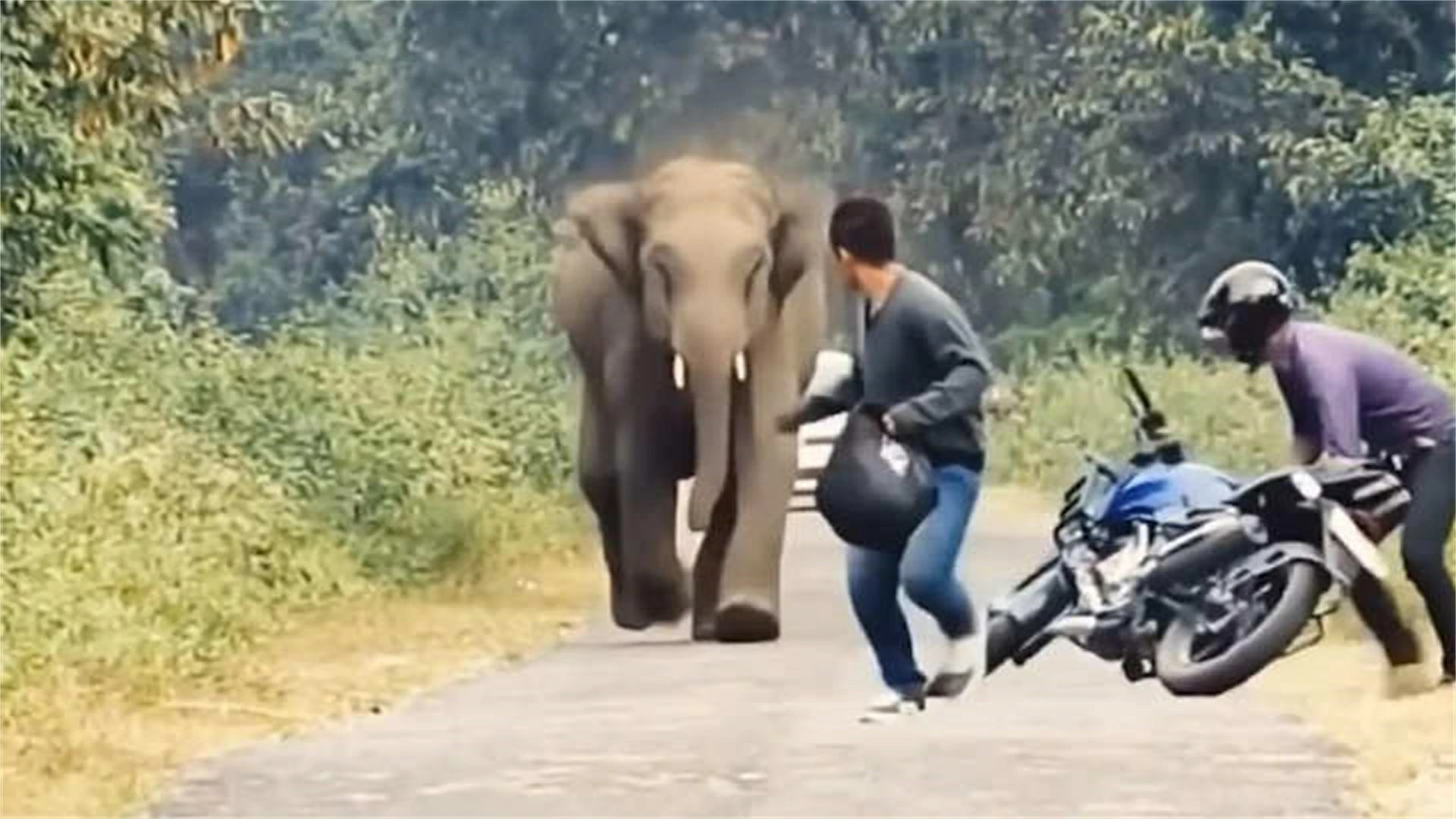
SELFIES WITH WILD ELEPHANTS IN KERALA, INDIA
In the lush wildlife reserves and verdant plantations of Kerala, particularly around Thekkady and Wayanad, a dangerous pattern persists among tourists. Enchanted by sightings of wild elephant herds, visitors often stop their vehicles or leave designated trekking paths to attempt close-up photographs. This critically underestimates the elephants’ astonishing speed and potent protective instincts, especially of calves. What begins as a mock charge can become devastatingly real in seconds, leaving no time for escape. Victims are tragically trampled or crushed, resulting in fatalities that, statistically, outnumber those caused by tigers in the region annually, highlighting a fatal misjudgment of wildlife boundaries.
Wild beasts charge visibly in India – but altitude sickness creeps invisibly in the Himalayas. The next page ascends the deadly denial on Everest Base Camp routes, overlooking headaches and nausea for the summit view that ends in collapse…
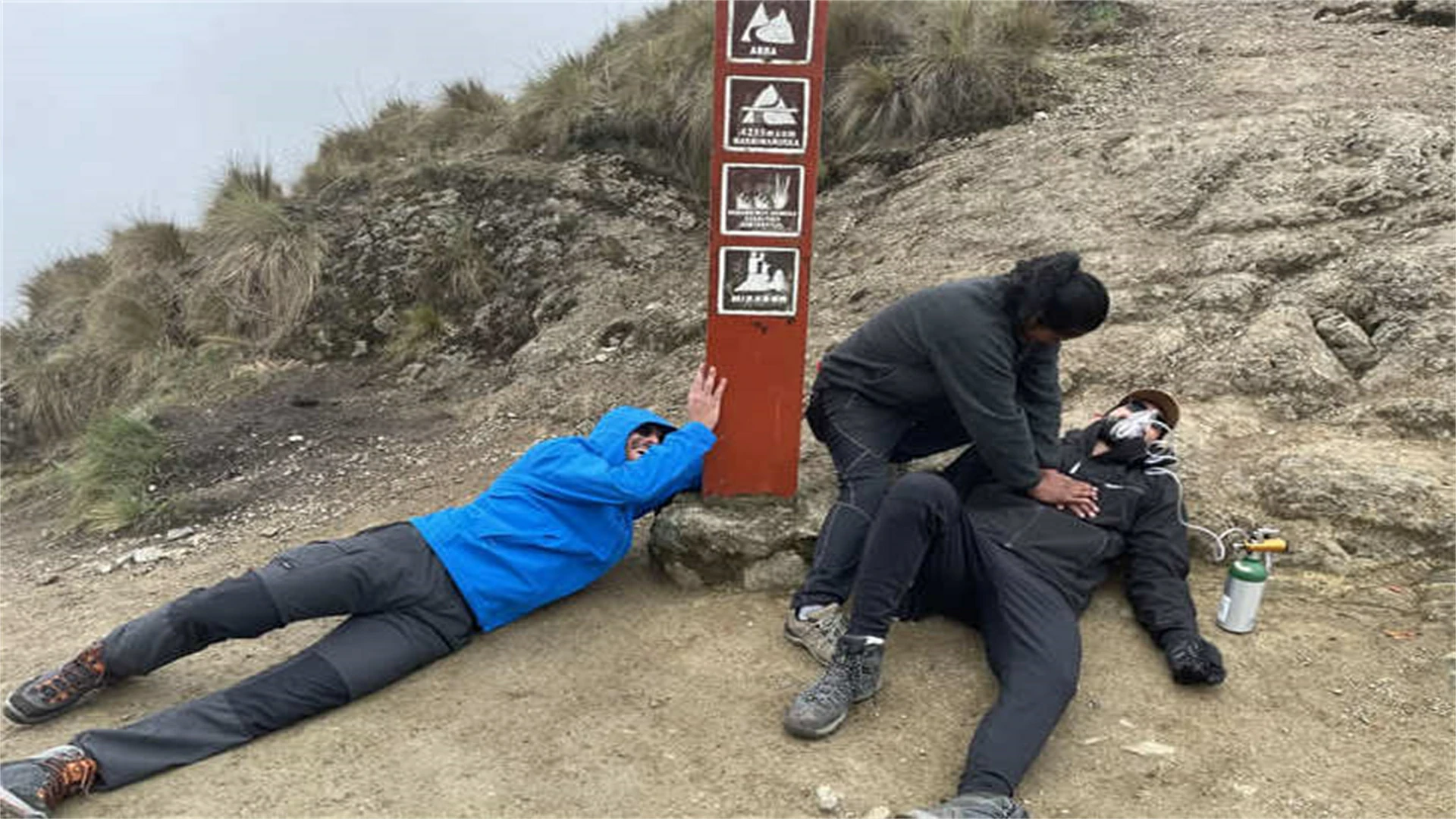
IGNORING ALTITUDE SICKNESS ON EVEREST BASE CAMP, NEPAL
On the trek to Everest Base Camp in Nepal’s Khumbu Valley, some impatient hikers dangerously skip mandatory rest days needed for acclimatization. By ascending too rapidly, they risk a sudden, catastrophic drop in blood oxygen levels. This can trigger deadly high-altitude illnesses—cerebral or pulmonary edema, where the brain or lungs fill with fluid. In these remote, rugged mountains, with limited helicopter evacuation options and weather-dependent rescues, such a medical emergency often turns fatal. This preventable tragedy underscores that in the high Himalayas, the greatest danger is often not the terrain, but a disregard for the essential pace of ascent.
Thin air punishes the body gradually in Nepal – but Trolltunga’s exposed ledge punishes the bold instantly with gravity. Flip the page to thrill-seekers hanging off Norway’s famous outcrop, disregarding warnings and weather for the ultimate edge-of-the-world shot that slips into tragedy…
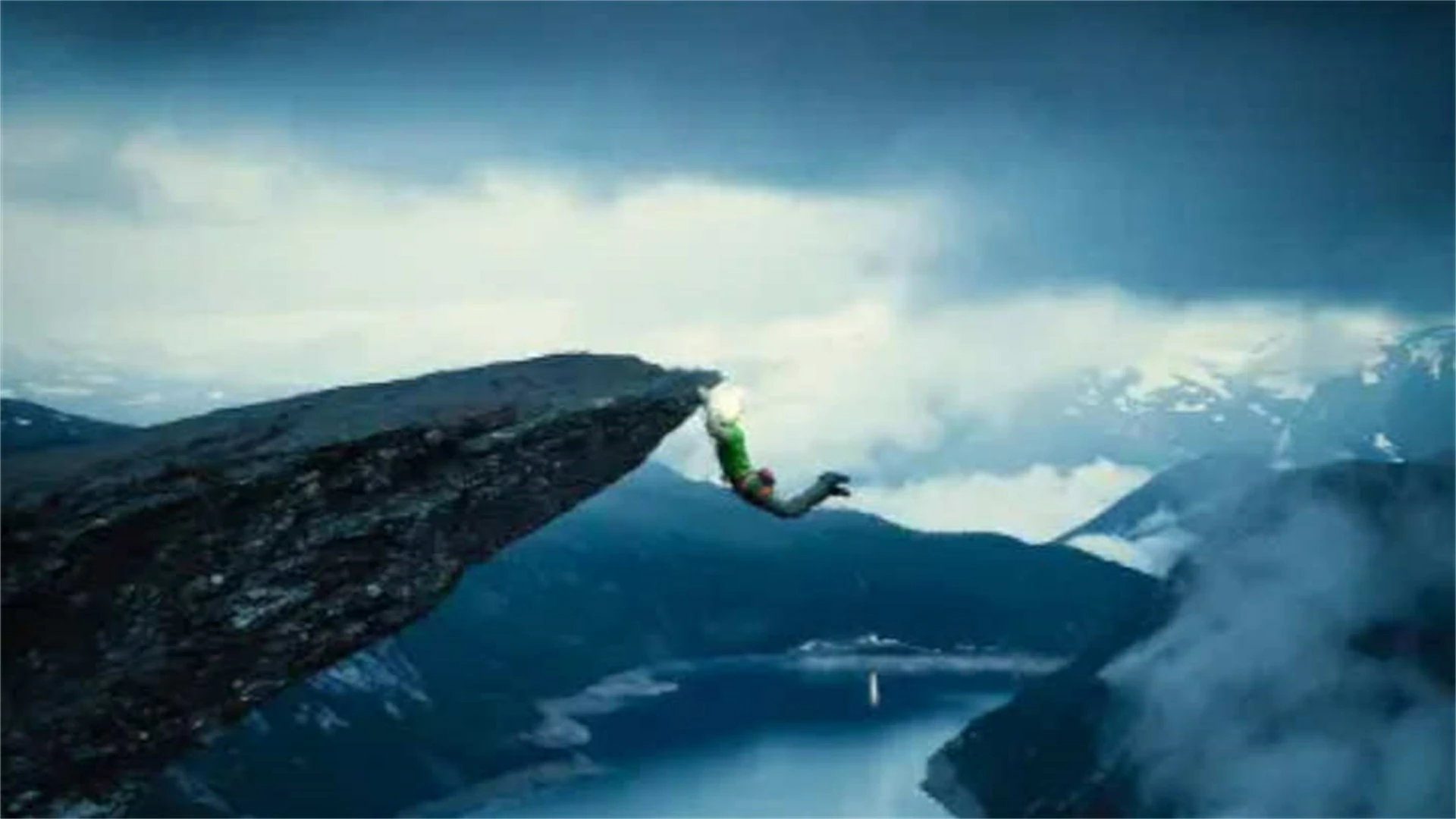
RISKY POSES AT TROLLTUNGA, NORWAY
At Norway’s iconic Trolltunga, a breathtaking rock ledge jutting 700 meters above Lake Ringedalsvatnet, a perilous ritual unfolds daily. After a demanding hike, visitors wait in long queues for their moment on the precipice. In pursuit of a dramatic social media photograph, many then recklessly dangle their legs over the void or attempt precarious handstands. A moment of imbalance, a gust of wind, or a simple slip on the often wet and smooth rock surface can lead to an irreversible, fatal plummet. Despite constant and urgent safety pleas from guides and authorities, the pursuit of the ultimate photo continues to tempt fate with tragic consequences.
Risky edges claim lives on Trolltunga for the perfect pose – risky breaches claim them in shark cages for the perfect close-up. Flip the page to tourists defying cage protocols in Cape Town, stretching hands or exiting bars and paying the price when massive predators strike without mercy…
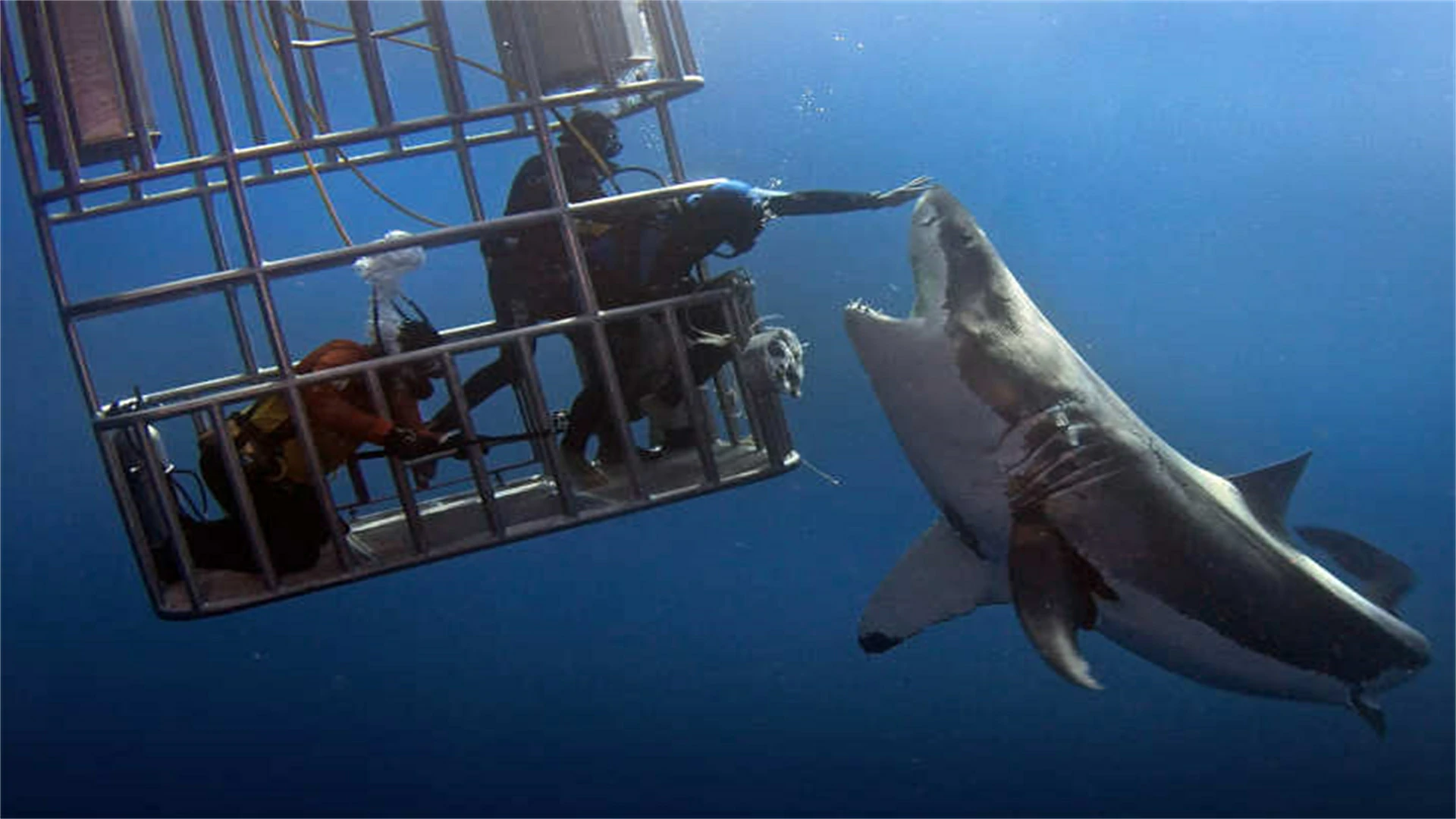
BREACHING CAGE DIVING RULES IN CAPE TOWN, SOUTH AFRICA
In the famed waters of Gansbaai, near Cape Town, thrill-seeking tourists enter protective steel cages for a glimpse of great white sharks. However, in a profoundly dangerous breach of protocol, some overexcited individuals have been known to exit the cage entirely, seeking an unobstructed photograph. This occurs despite strict guide instructions in “Shark Alley,” an area actively chummed with bait to attract the predators. The act invites a lightning-fast, often fatal bite from a great white shark, which can mistake the sudden, unprotected movement for prey. This recklessness transforms a controlled wildlife encounter into an utterly preventable tragedy.
Ocean predators strike the overbold in seconds – but Paris streets strike wallets with sleight of hand. The next page exposes falling for distraction thefts around Eiffel Tower and beyond, ignoring warnings for “friendly” encounters that cost thousands…

FALLING FOR DISTRACTION SCAMS IN PARIS, FRANCE
In the iconic tourist areas of Paris, particularly around the Eiffel Tower and Montmartre, a sophisticated form of theft preys on visitors’ goodwill. Seemingly friendly strangers approach tourists, offering petitions, bracelets, or simple games that require a moment’s attention. As the tourist engages, accomplice teams quickly surround them, creating a dense, distracting crowd. In this chaos, they expertly pickpocket wallets and phones or slash bags to steal valuables. Refusal to participate or attempts to resist can sometimes escalate the situation, with thieves threatening violence, including brandishing knives, even within these crowded public spaces.
Paris thieves rely on sleight of hand in crowds – Rome’s imposters rely on sheer bravado in broad daylight. Flip the page to the Colosseum’s gladiator hustle, where “friendly” centurions pose with visitors, then refuse to let go until wallets open wide…
Advertisements
Advertisements