20 Deadly Tourist Mistakes That Can Kill You Fast – From Locals Worldwide

20 Deadly Tourist Mistakes That Can Kill You Fast – From Locals Worldwide

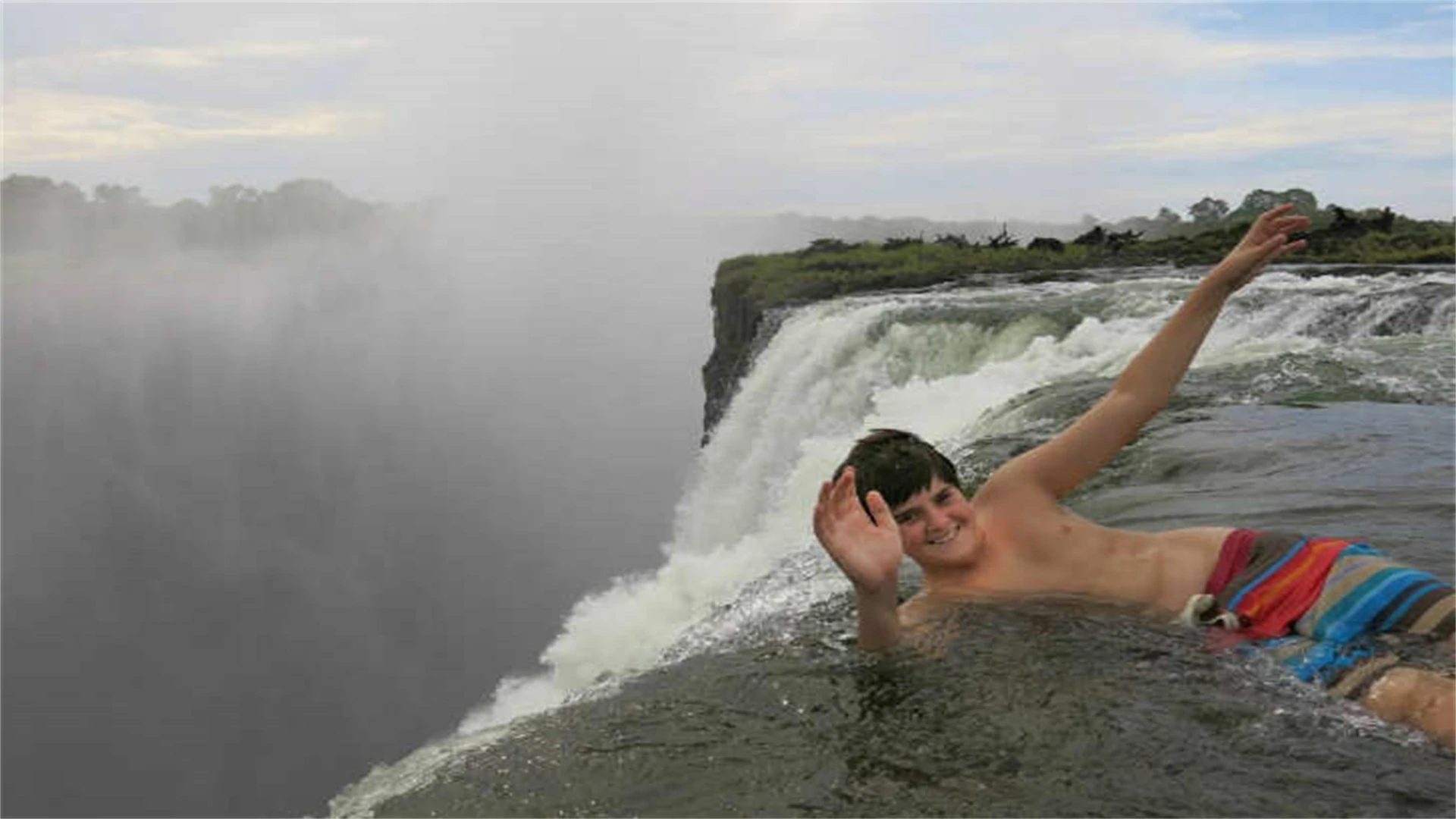
EDGE POSES AT VICTORIA FALLS, ZAMBIA/ZIMBABWE

At Victoria Falls on the Zambia-Zimbabwe border, adrenaline-seekers flock to Devil’s Pool—a natural rock ledge perched right at the edge of the world’s largest waterfall—for heart-stopping swims in what feels like an infinite pool overlooking the abyss. Guided tours allow brief, supervised dips during low-water season, but many tourists push beyond safety barriers or ignore guides’ instructions, leaning dangerously far over the slick rocks for the ultimate dramatic photo. Sudden surges in current or a momentary loss of footing can sweep them over the brink, sending them plummeting more than 100 meters into the roaring chasm below, where they are battered on jagged rocks or drowned in the boiling cauldron. Despite warnings and seasonal restrictions, several lives have been claimed by this deceptive “natural infinity pool,” proving that no selfie is worth tempting the raw power of one of nature’s most spectacular—and unforgiving—forces.

Falling into raging waters from waterfall edges is terrifyingly quick – but getting caught in a rip current feels deceptively gentle at first. Flip the page to Australia’s Gold Coast and beyond, where ignoring the hidden pull claims lives every year…
20 Deadly Tourist Mistakes That Can Kill You Fast – From Locals Worldwide

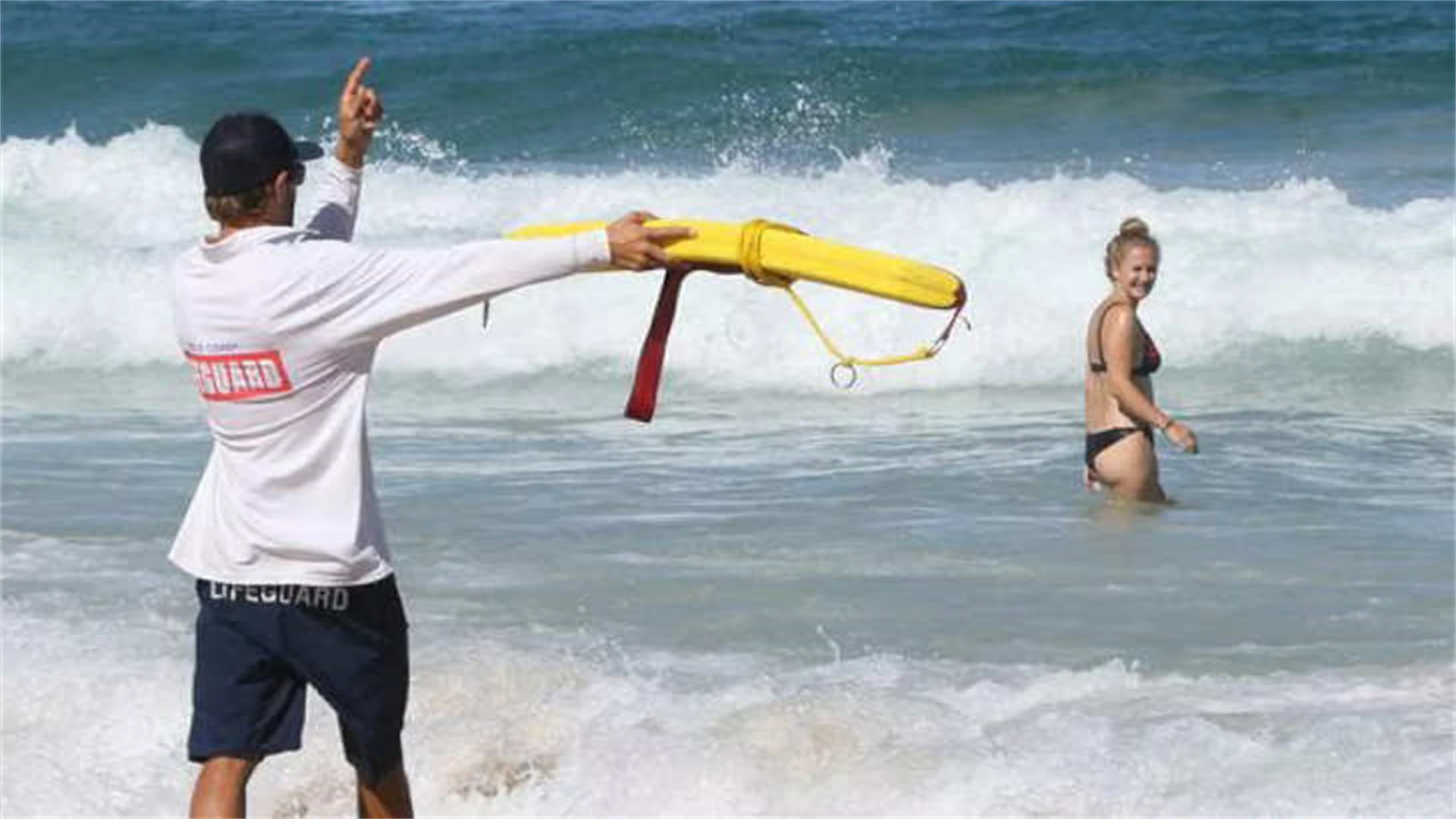
IGNORING RIP CURRENTS IN QUEENSLAND, AUSTRALIA

On Queensland’s stunning beaches, such as the Gold Coast and Surfers Paradise in Australia, visitors often swim between the red and yellow flags marked by lifeguards for safety. However, when caught in a rip current—a powerful, narrow channel of fast-moving water pulling seaward—even strong swimmers panic and exhaust themselves fighting directly back to shore. Instead of floating to conserve energy or swimming parallel to the beach to escape, many struggle futilely. Rip currents cause an average of around 21-26 drowning deaths annually across Australia, with thousands more rescued; locals and Surf Life Saving urge tourists to always learn rip survival tips: stay calm, float, and signal for help. No beach day is worth underestimating these invisible hazards.

Queensland’s beaches claim lives through hidden currents down south – but up in the tropics, box jellyfish and Irukandji wait patiently. Flip the page to Cairns, where venturing into the water during stinger season ignores the ultimate marine poison…
20 Deadly Tourist Mistakes That Can Kill You Fast – From Locals Worldwide

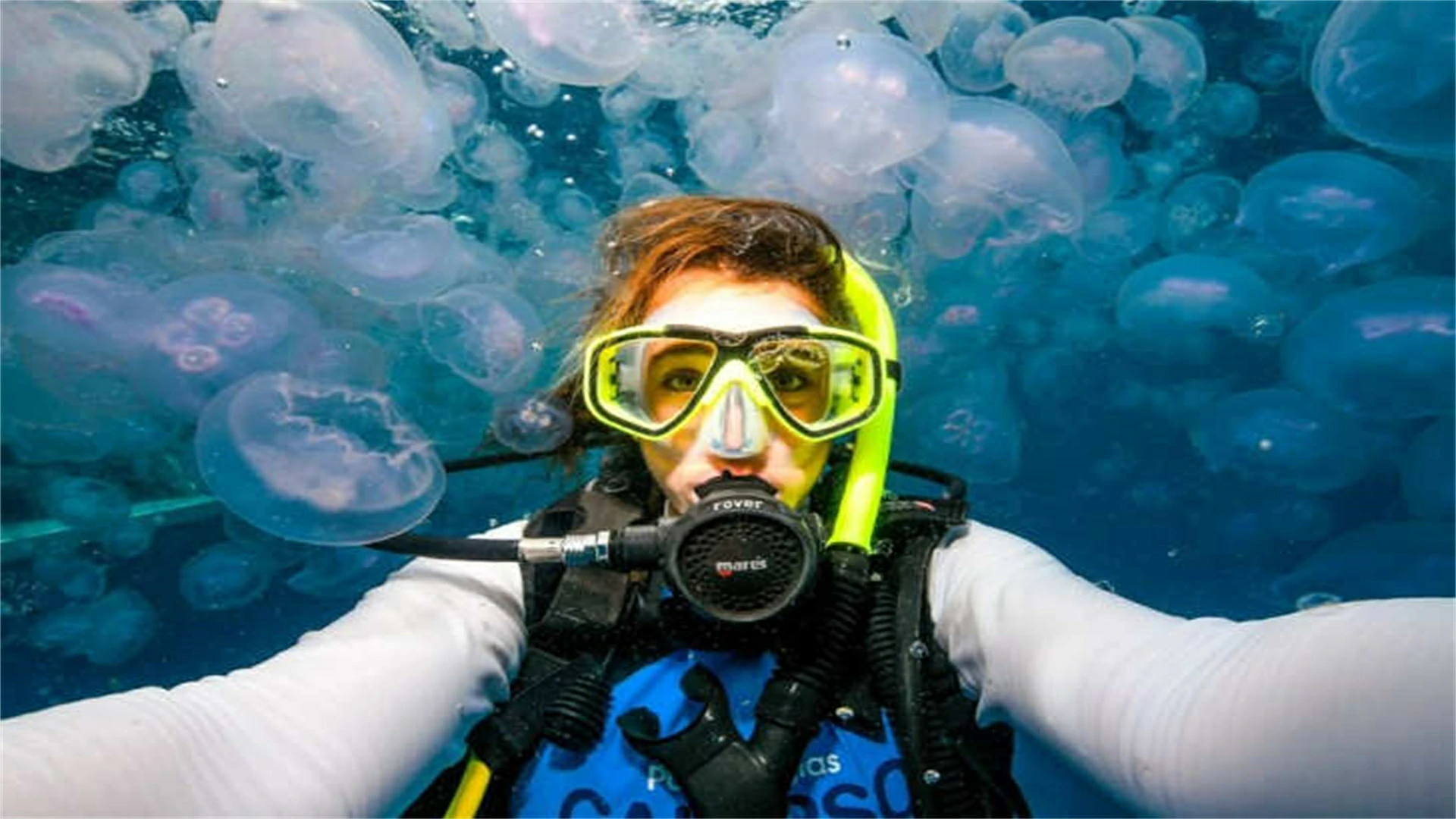
SWIMMING DURING STINGER SEASON IN CAIRNS, AUSTRALIA

In the coastal regions of Cairns and northern Queensland, Australia, tourists often plunge into the sparkling, clear ocean waters despite prominent seasonal warnings about the dangers of “stinger season,” which runs from November through May. During this period, the waters are inhabited by highly venomous box jellyfish, whose nearly transparent tentacles deliver toxins capable of inducing cardiac arrest and heart failure within minutes. Despite publicized alerts, some swimmers overlook safety measures such as wearing protective full-body suits or swimming within designated netted enclosures. This disregard has, in tragic instances, led to fatal stings and preventable loss of life.

Cairns’ venomous invaders strike in clear waters, but Phuket’s shores claim lives after dark. The next page plunges into forbidden night swims, ignoring no-swim flags and common sense for midnight dips that end in tragedy…

20 Deadly Tourist Mistakes That Can Kill You Fast – From Locals Worldwide

NIGHT SWIMMING ON PHUKET BEACHES, THAILAND

On Phuket’s festive shores, a dangerous nighttime ritual repeats itself. Tourists, after heavy drinking at beach parties, often stumble into the dark sea for a swim. Their judgment clouded by alcohol, they fail to recognize the lethal threats: powerful hidden undertows and the complete absence of lifeguards after sunset. Struggles in the water go unseen and unheard. Tragically, many are only found the next morning, their bodies washed onto the sand at dawn. In mere moments, a night of celebration turns into an irreversible tragedy, highlighting a fatal disconnect between the party atmosphere and the ocean’s unforgiving dangers.

Phuket’s black waves hide deadly pulls after sunset, but Bangkok’s streets turn rentals into rolling coffins. The next page revs up inexperienced scooter rides amid gridlock, ignoring license rules for quick thrills that end in blood…

20 Deadly Tourist Mistakes That Can Kill You Fast – From Locals Worldwide

RENTING SCOOTERS WITHOUT EXPERIENCE IN BANGKOK, THAILAND

In the bustling, chaotic streets of Bangkok, Thailand, a common and perilous sight involves inexperienced foreign tourists renting motorbikes and scooters to navigate the city’s notoriously congested and fast-paced traffic. Often seeking convenience and a sense of local adventure, many riders forego essential safety gear—particularly helmets—and gravely underestimate the aggressive, unpredictable flow of vehicles around them. This dangerous combination frequently leads to high-speed collisions, with severe and often fatal head injuries being a common outcome. Local residents and emergency services witness dozens of such severe accidents annually, grimly referring to these readily available rentals as a direct “fast track” to the hospital or the morgue for unprepared visitors who lack both the skill and respect for the dangers of Bangkok’s roads.

Thailand’s roads punish the inexperienced on two wheels – yet its wildlife punishes closer encounters even harder. Flip the page to Chiang Mai, where unauthorized elephant feeding defies sanctuary guidelines, provoking attacks that trample and gore…

20 Deadly Tourist Mistakes That Can Kill You Fast – From Locals Worldwide

UNAUTHORIZED ELEPHANT FEEDING IN CHIANG MAI, THAILAND

In the elephant sanctuaries around Chiang Mai, Thailand, tourists seeking close encounters sometimes ignore strict no-contact rules, attempting to feed animals or take risky selfies. This intrusion can startle and stress the rescued elephants, provoking sudden, powerful defensive charges. Despite their calm reputation, these giants can trample or gore a person instantly, causing fatal injuries. Such tragedies highlight a dangerous disconnect: these are wild animals, not attractions. Disregarding safety protocols and bypassing experienced guides transforms a moment of curiosity into a catastrophic event, underscoring the vital need for respectful distance.

Unauthorized animal encounters turn deadly on land – but add dizzying heights and thieving monkeys for double jeopardy. Flip the page to Uluwatu Temple in Bali, where cliff-edge selfies defy safety…

Advertisements

Advertisements