Need to unclog a drain? This method is the simplest and most cost-effective!
Advertisements
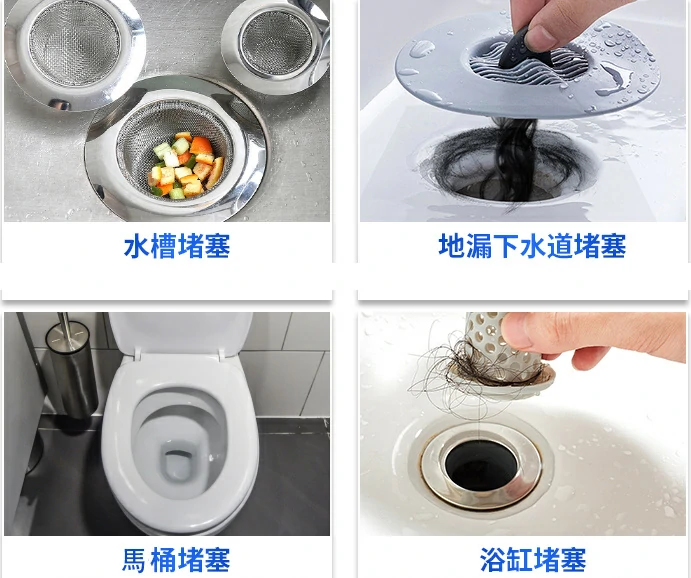
III. Upgrade Techniques: Targeting Different Types of Clogs
Kitchen Sink (Mainly Grease)
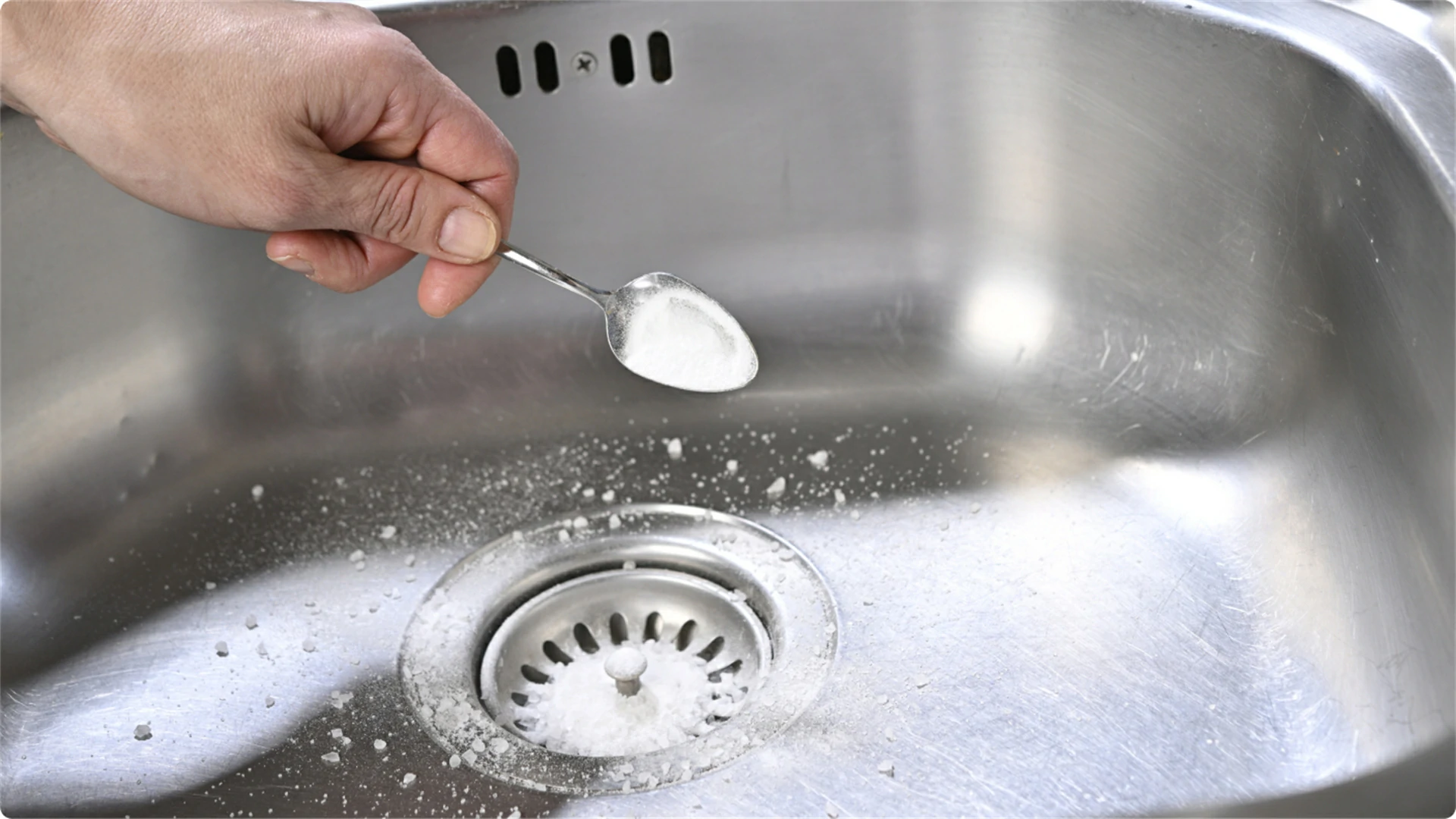
First, pour in a small amount of salt to enhance friction, then proceed with the baking soda + vinegar step.
Perform preventative cleaning once a week to prevent grease buildup.
Bathroom Drain (Hair, Soap Scum)
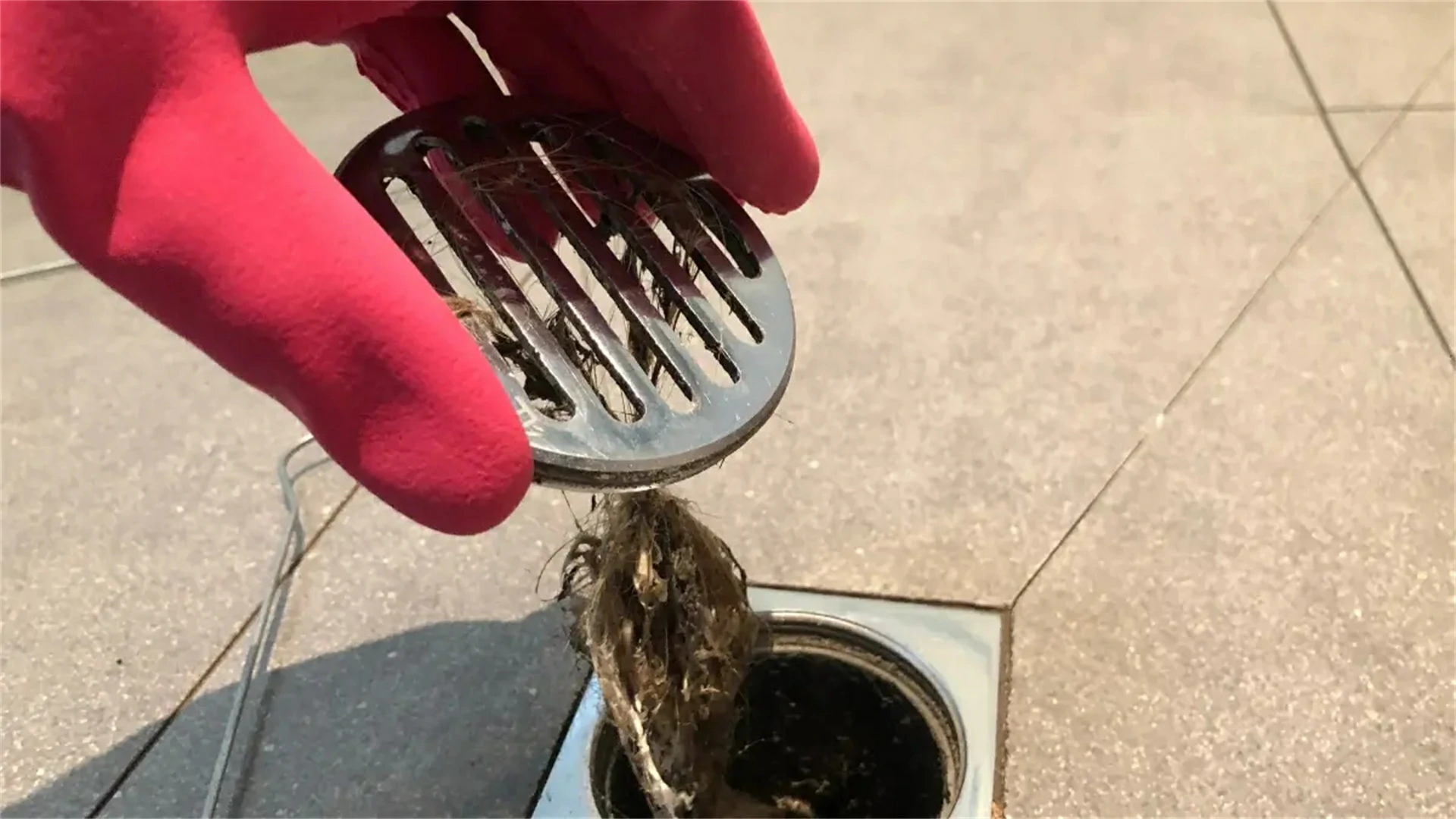
Before proceeding, use tweezers or a suction cup to remove surface hair.
If the clog is severe, repeat the cleaning process 2-3 times.
Odor Issues
After cleaning, add a few drops of tea tree oil or lemon juice to deodorize and add a fresh scent.
IV. Safety Precautions and Common Operational Mistakes
Safety First: Proper precautions must be taken during operation.
Wear rubber gloves to protect your hands and avoid prolonged contact with vinegar or baking soda (although natural, they may still irritate sensitive skin).
Maintain ventilation; the acidic odor of vinegar may cause discomfort to some people.
If there are infants or pets in the home, ensure the floor is clean after handling to prevent accidental contact or ingestion of residue.
Avoid these common mistakes:
Never seal the pipe outlet immediately after mixing baking soda and vinegar; gas pressure may damage old pipes.
Avoid directly washing PVC pipes with boiling water, as this may cause deformation.
Do not mix with commercially available chemical cleaners, as this may produce toxic fumes.
V. Advanced Solutions: When Simple Methods Are Insufficient
Double-Effect Formula
For severe blockages, after reacting baking soda and vinegar, add half a cup of salt and half a cup of lemon juice.
Salt enhances abrasive cleaning power, while the citric acid in lemon juice further breaks down alkaline stains, leaving a fresh scent.
Combining Physical Unclogging Methods
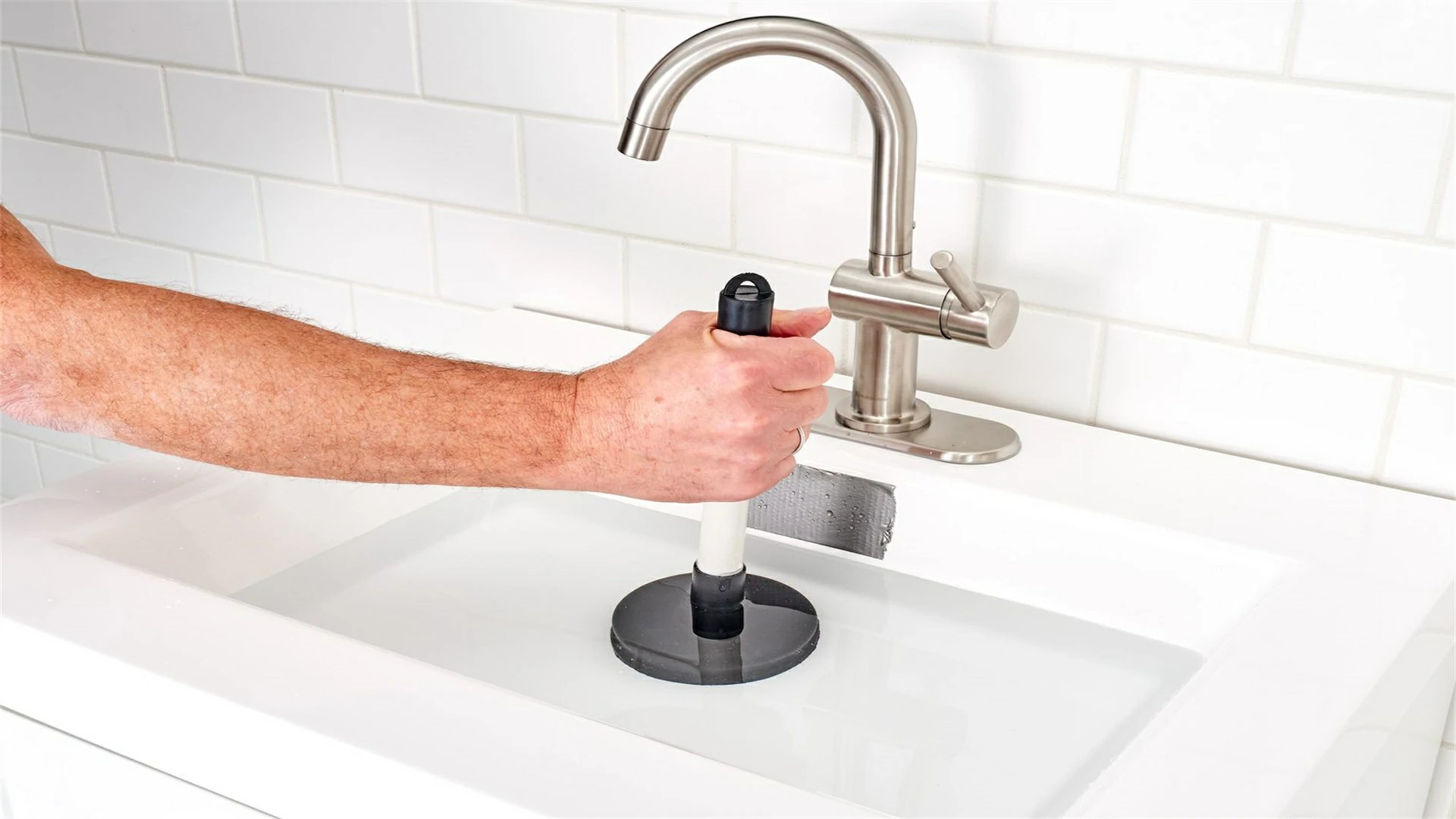
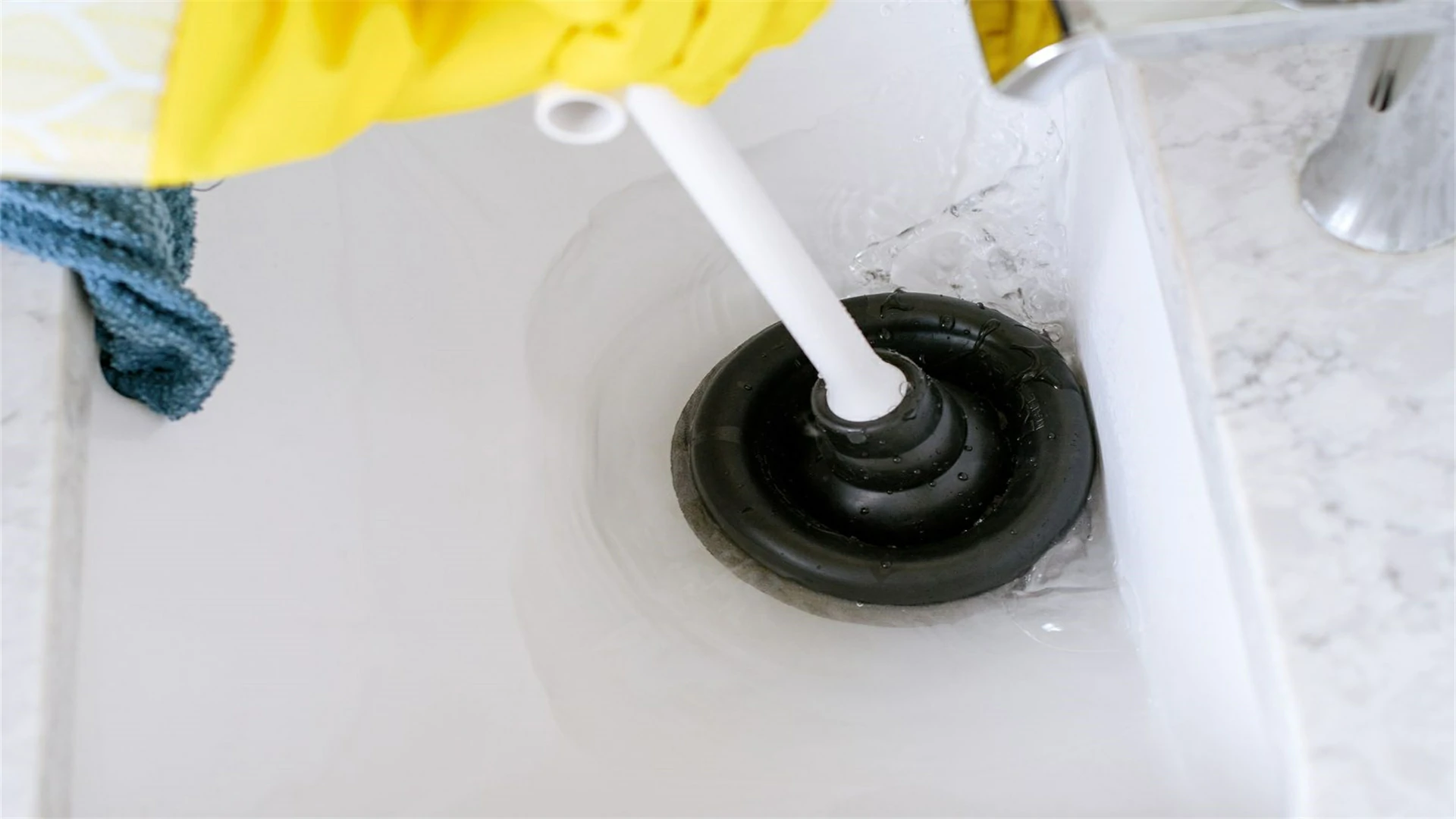
Suction Cup (Pull-Up): Before pouring in hot water, quickly press the suction cup against the drain several times to use air pressure to push away the blockage.
Homemade Hook Tool: Bend one end of a wire into a small hook and insert it into the pipe to pull out clumps of hair (especially suitable for bathroom drains).
Pipe Dredging Strip: For deep blockages, purchase an inexpensive manual drain dredge and rotate it to penetrate the pipe and break up the blockage.
Determining When to Seek Professional Help
If the following occurs, stop trying to unclog the drain and contact a plumber:
The drainage remains unchanged after multiple cleaning attempts.
The entire building's drainpipes are blocked simultaneously (potentially a problem with the main pipe).
If the pipes emit an unusual odor or leak, there may be cracks or serious damage.
VI. Prevention is better than cure: Simple daily maintenance habits
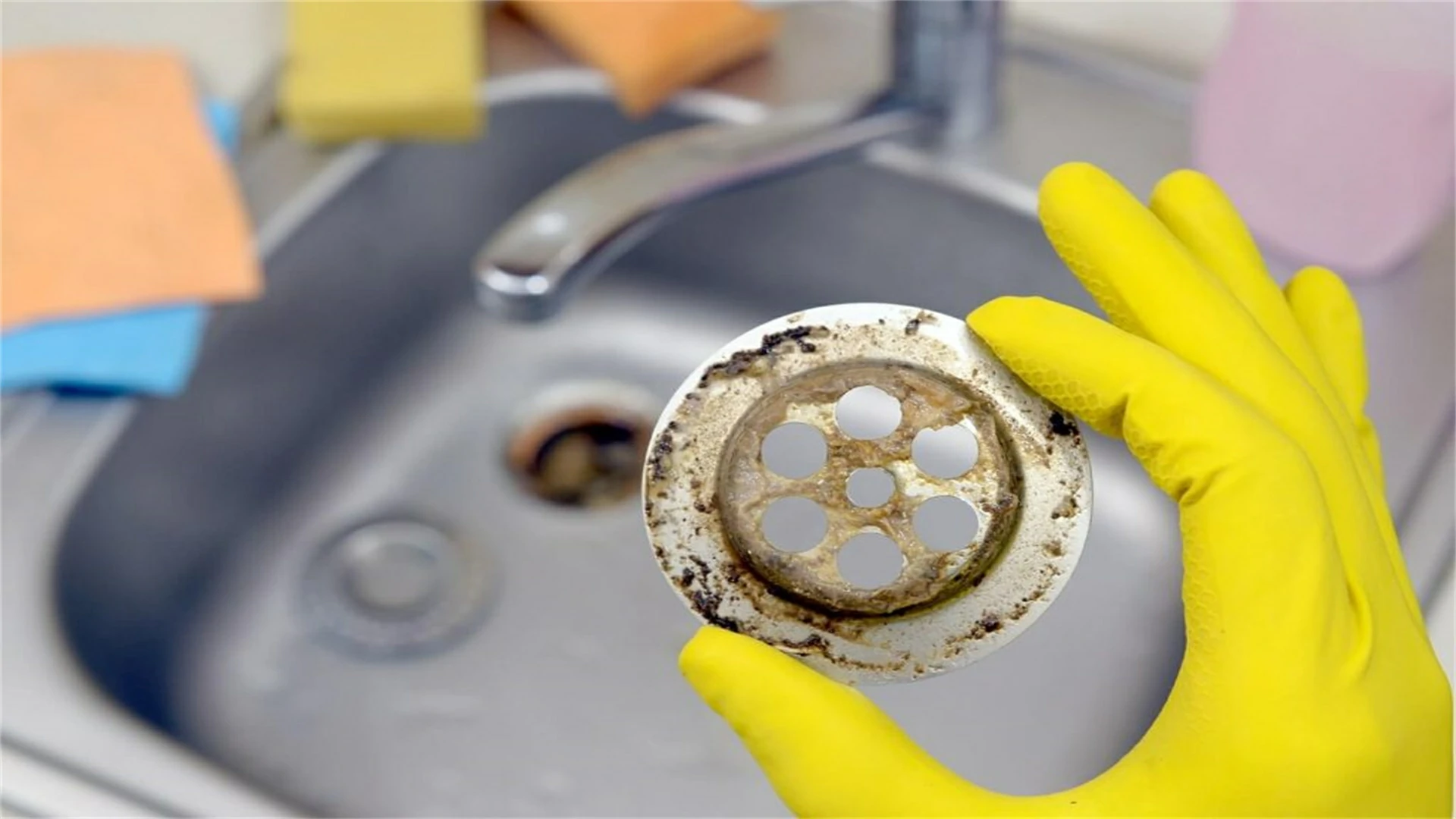
Install a strainer in your kitchen sink to trap food scraps.
Use a hairnet cover on your bathroom drain and clean it regularly.
Avoid pouring coffee grounds, grease, or chemical solvents directly into the drain.
Flush the drains with hot water every week to reduce grime buildup.
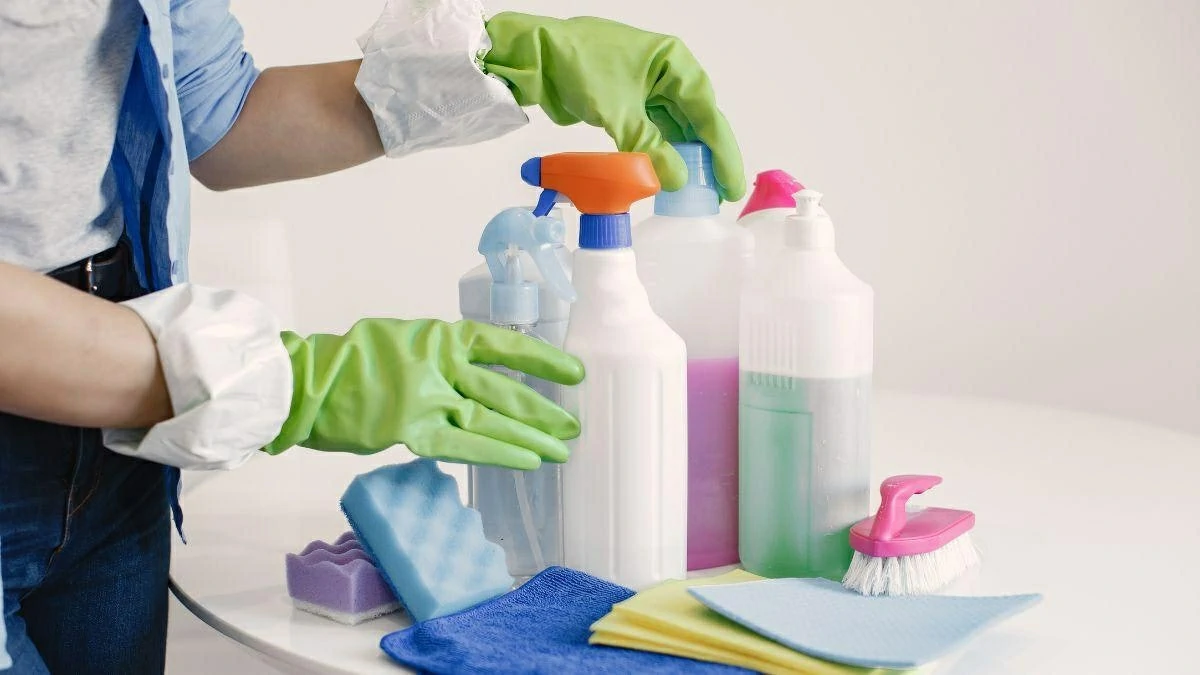
VII. Why are chemical cleaning agents not recommended?
Corrosion risk: Strong acids/alkalis may damage pipe joints, leading to leaks.
Environmental hazards: Residual chemicals can pollute water sources and damage ecosystems.
Health concerns: Volatile gases may irritate the respiratory tract and are unsafe for children and pets.
VIII. Frequently Asked Questions
Q1: Can other types of vinegar be used instead?
→ White vinegar (acetic acid concentration approximately 5%) is recommended. Fruit vinegar is less effective.
Q2: Is it effective for old iron pipes?
→ This method is safe for all pipes, but if the iron pipes are severely corroded, it is recommended to check the pipe structure first.
Q3: How often should it be cleaned?
→ For routine maintenance, once a month is sufficient; if used frequently or if there is an odor, it can be increased to once every two weeks.
Conclusion: Money-Saving, Environmentally Friendly, and Efficient Home Cleaning Wisdom
This long-standing "baking soda + vinegar" cleaning method combines scientific principles with practical techniques to solve most mild to moderate clogs. More importantly, it frees us from dependence on chemical products, allowing us to maintain our home environment in the most natural way. Save this method and share it with friends troubled by clogs!
Tip: If the clog persists for more than a week, or if multiple attempts are ineffective, there may be foreign objects deep inside the pipes. It is recommended to seek assistance from a professional plumber.
Advertisements
Advertisements