20 Beach Finds That Made People Question Reality
Advertisements
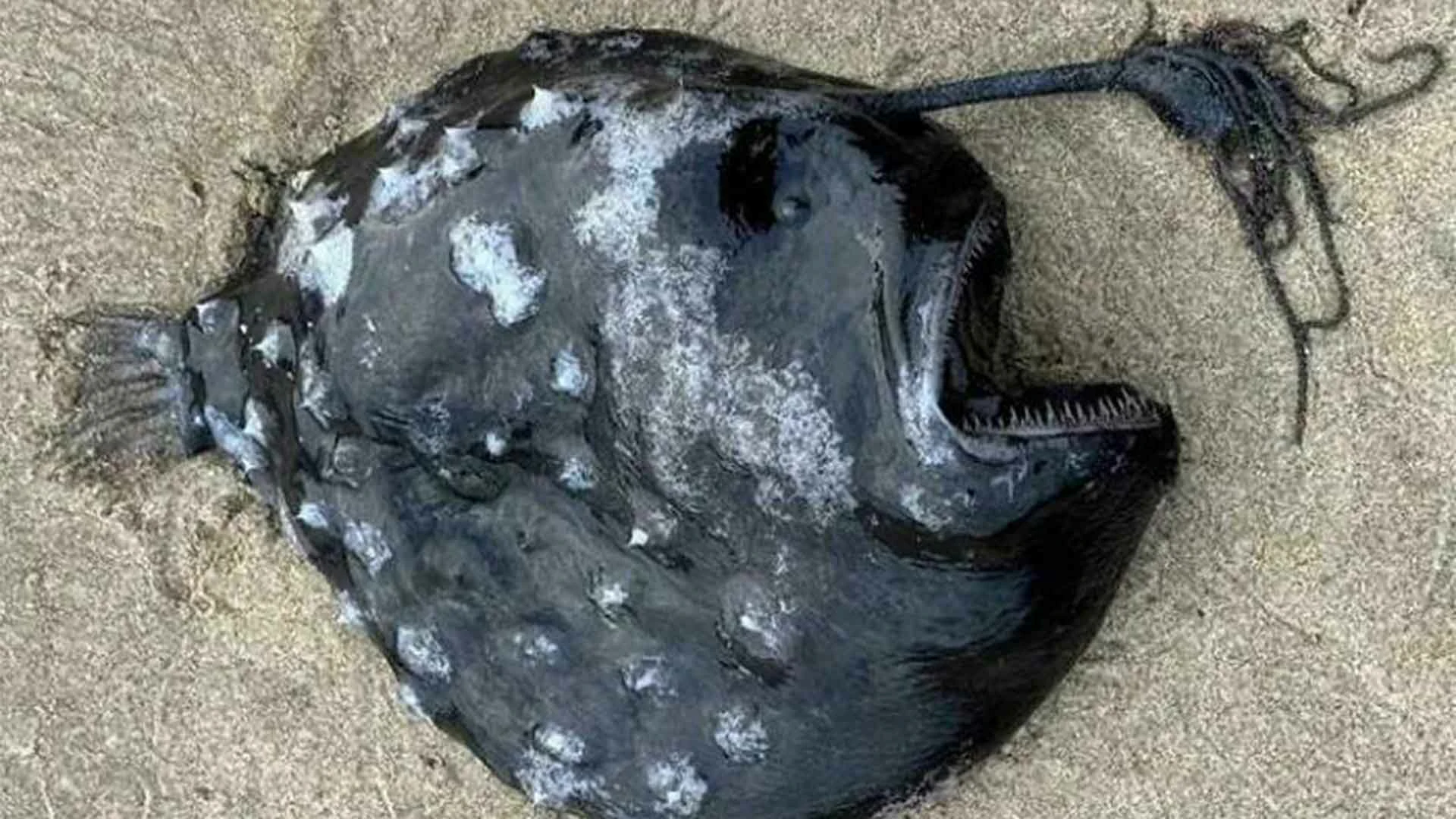
#4 Pacific Football Fish Washed Up At Oregon Beach. Only 31 Specimens Have Ever Been Documented
On an Oregon beach, a deep‑sea monster washed ashore – the Pacific football fish. It lives in pitch‑black depths, and the female sports a glowing “fishing rod” on her head to lure prey. Because they rarely appear near the surface, only 31 complete specimens have ever been recorded worldwide. Scientists quickly collected this one, as each stranded football fish offers a rare glimpse into the abyss. Below the ocean’s surface, countless strange creatures remain unseen.
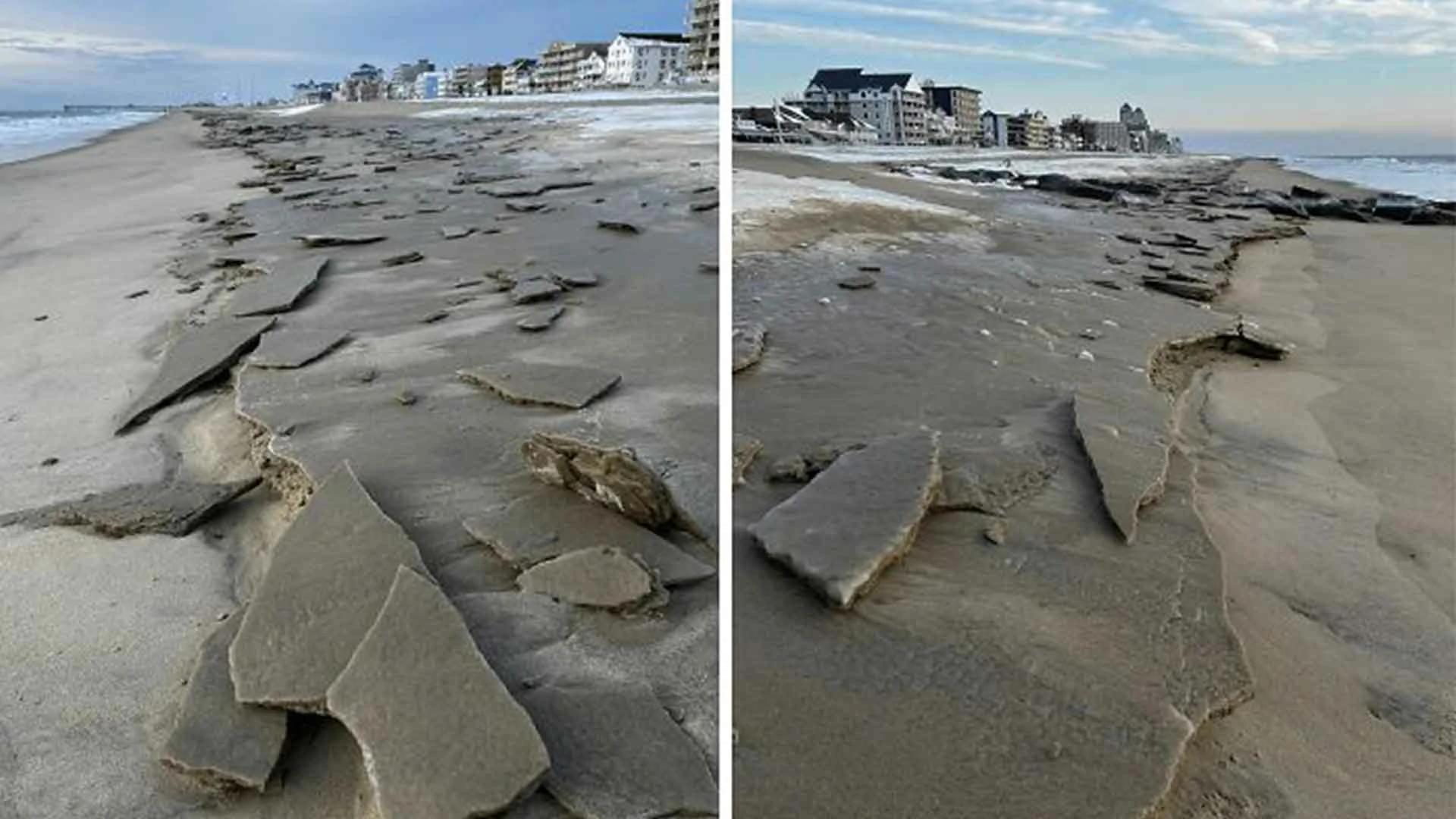
#5 What Happens When You Have A Mix Of Very Cold Temperatures, Sand, Snow, And Tidal Water From The Ocean? Frozen Sand Slabs
When extreme cold meets tidal seawater, wet sand, and leftover snow, beaches produce a strange sight – frozen sand slabs. As the tide recedes, water, sand, and snow freeze in layers, forming hard, slab‑like structures that crack and stand upright like giant stone plates. Walking on them gives a crunching sound. This isn‘t ice nor permafrost – it’s a beach‑specific creation where the ocean and winter conspire. Nature never lacks creativity, only needs a cold enough laboratory.
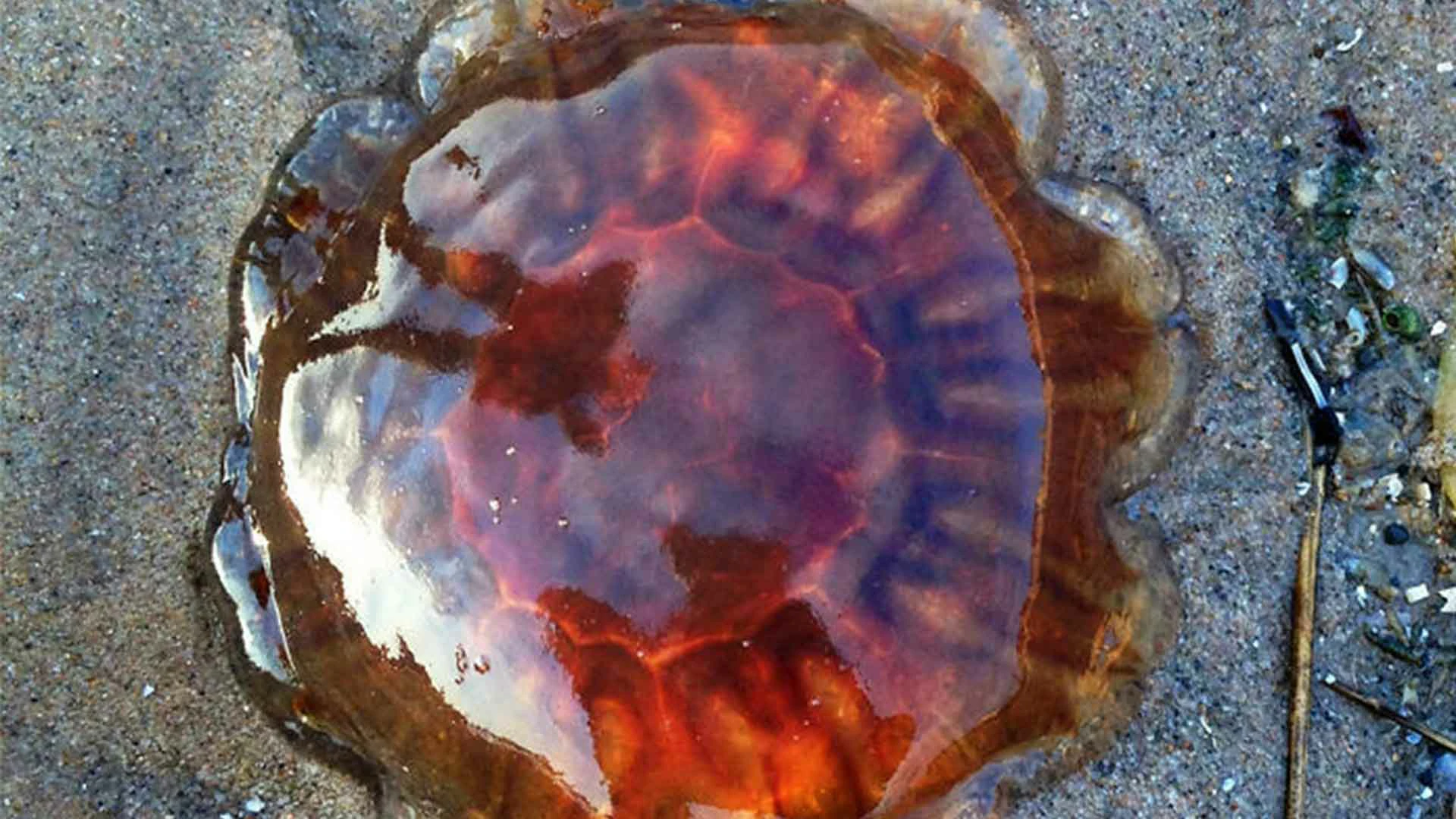
#6 This Washed-Up Jellyfish Looks Like An Iris
A beached jellyfish, left on wet sand after the tide fell, spread its transparent bell to reveal fine radial patterns. The dark circular center resembled an eye gazing at the sky. Blue fluorescent edges shimmered in the refracted sunlight, as if an iris specimen had been abandoned on the beach. Jellyfish dehydrate quickly after death, so finding one so intact is rare. A commenter said, “It looks like the opening scene of an alien movie” – except this creature is a real resident of Earth’s oceans.
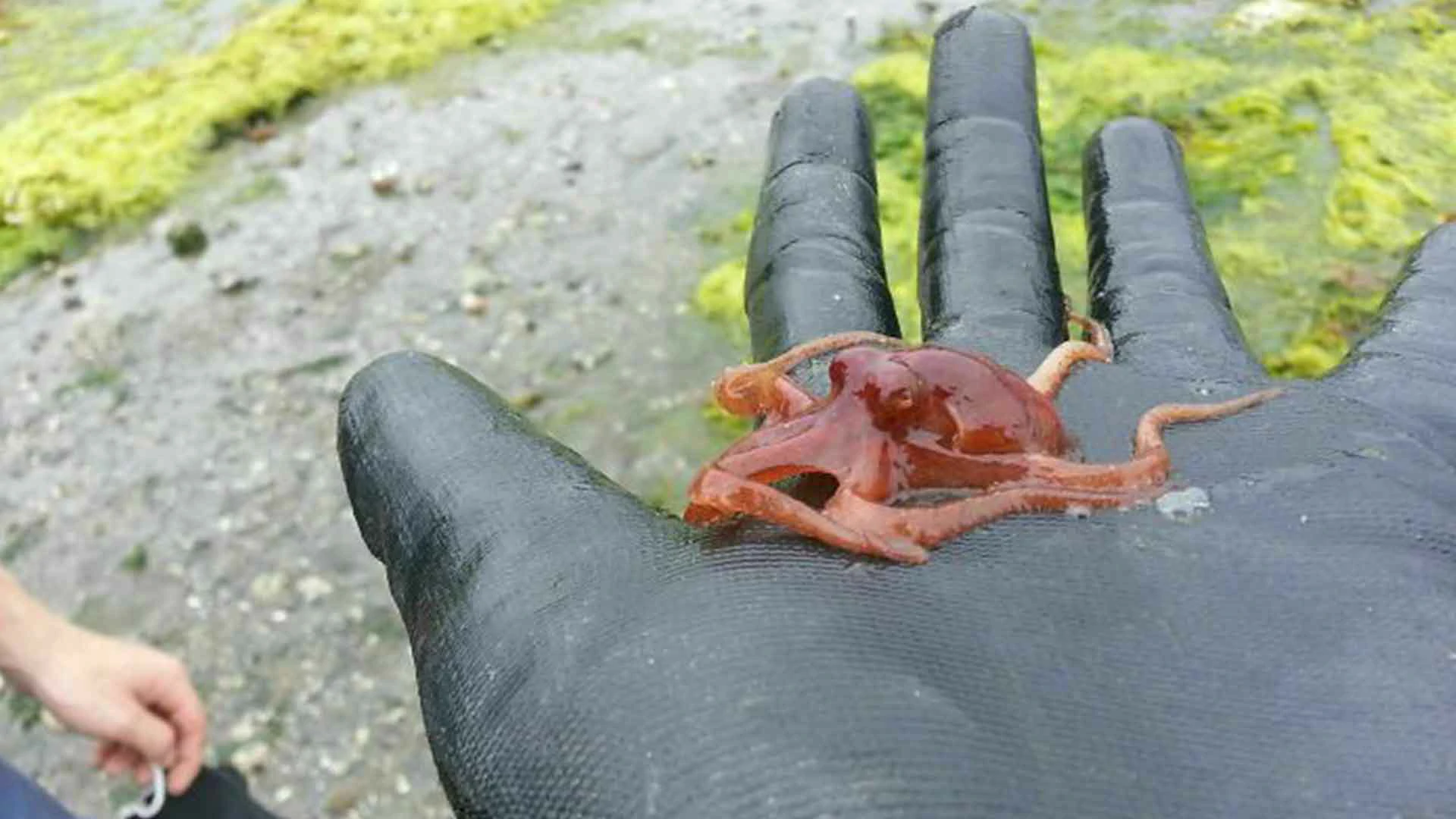
#7 Found This Little Guy While Working On The Beach. He‘ll Have A ~14ft Wingspan Within Two Years!
A beach worker found a baby octopus, tiny and curled under a rock in the shallows, its tentacles slowly moving. Though currently palm‑sized, this species can grow to a wingspan (arm spread) of about 14 feet (4.3 meters) as an adult – a true giant of the deep. The discoverer gently pushed it back into deeper water to prevent stranding or bird attacks. One comment marveled, “So cute now, but in two years it‘ll be a deep‑sea monster.”
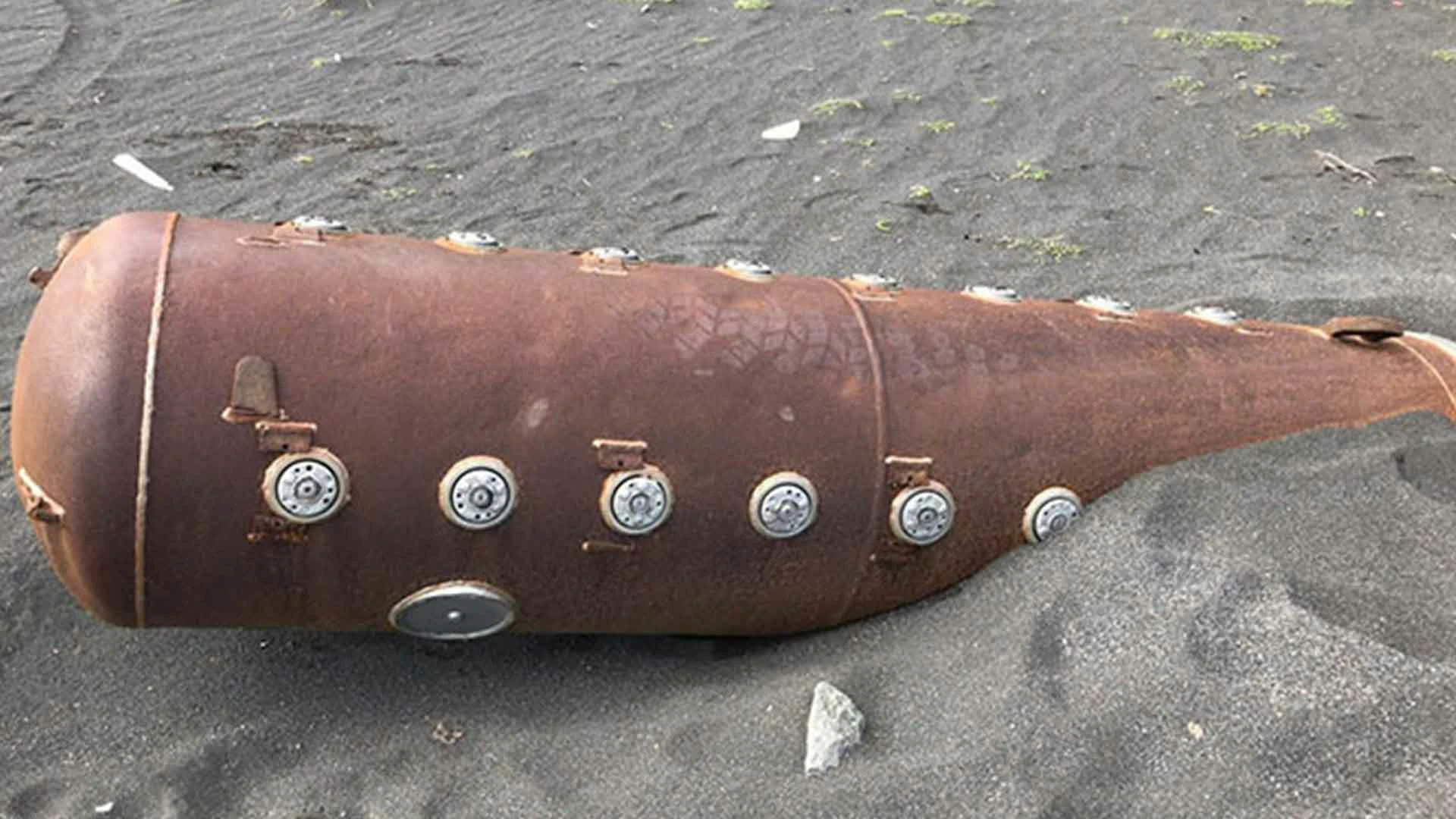
#8 Found A Large Metallic Cylinder On The Beach Of Husavik, Iceland. What Is This?
On the beach of Husavik, Iceland, a huge metal cylinder lay embedded among the stones, its surface rusted by seawater. Locals learned it was a Cold‑era underwater listening device used to track submarines. It contained no explosive markings and was deemed safe, so it was left in place. A commenter joked, “An alien time capsule.” More intriguing than aliens, this relic of Cold War surveillance was pushed back into human view by the waves after decades of silence.
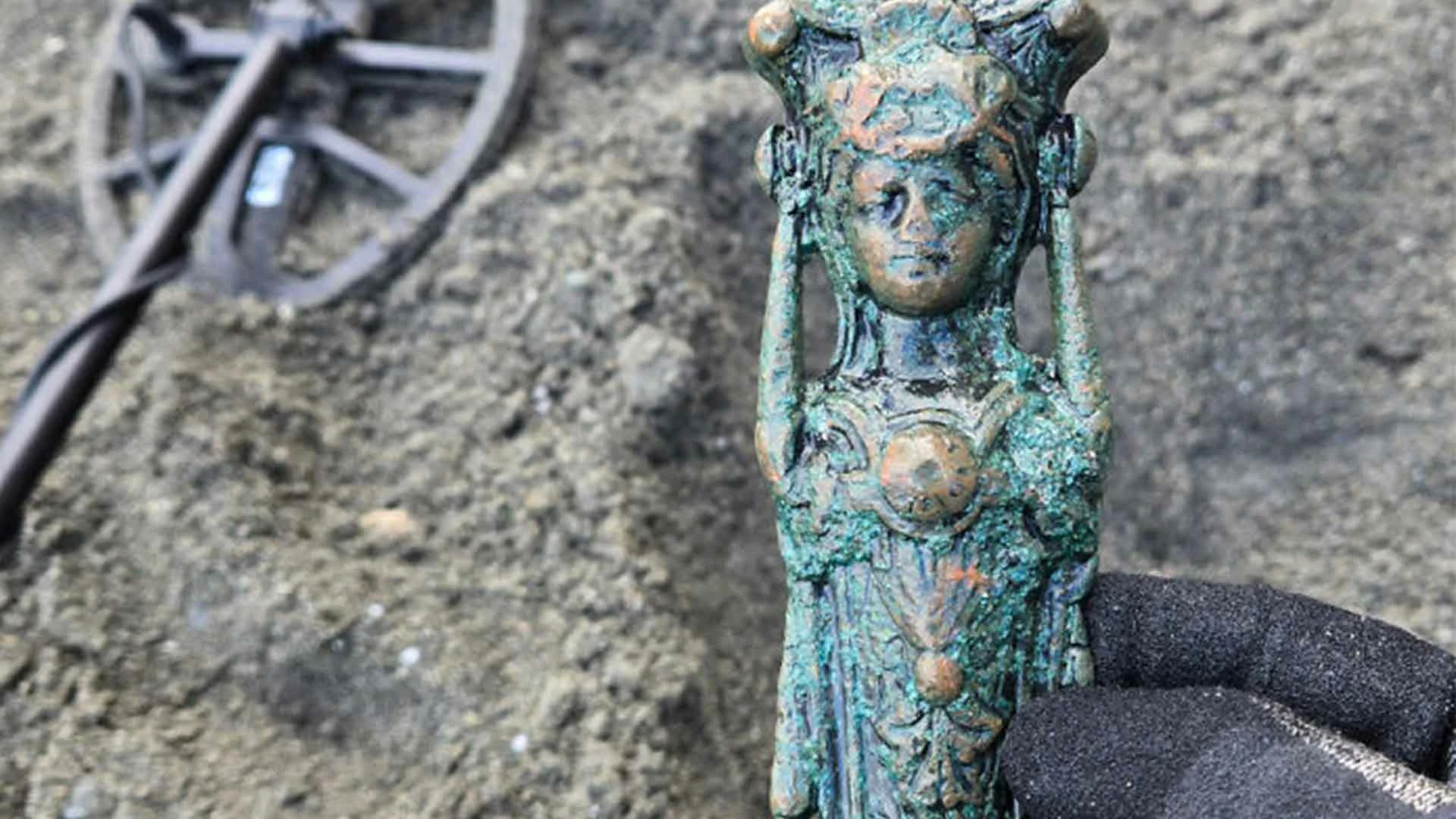
#9 Wife And I Found This Today. No Idea What It Is, But We Are Stoked
A couple found an ancient bronze artifact while walking on the beach. It looked like a small humanoid figure, possibly from some lost religion or civilization. The surface was covered with green patina, and the details – eyes, hands, posture – suggested ritual use. They had no idea what it was, but their excitement was pure. Beachcombing‘s greatest charm is that you don’t need to be an expert – just curious. Commenters guessed everything from a Viking idol to a Phoenician offering. The unknown made the find even more thrilling.
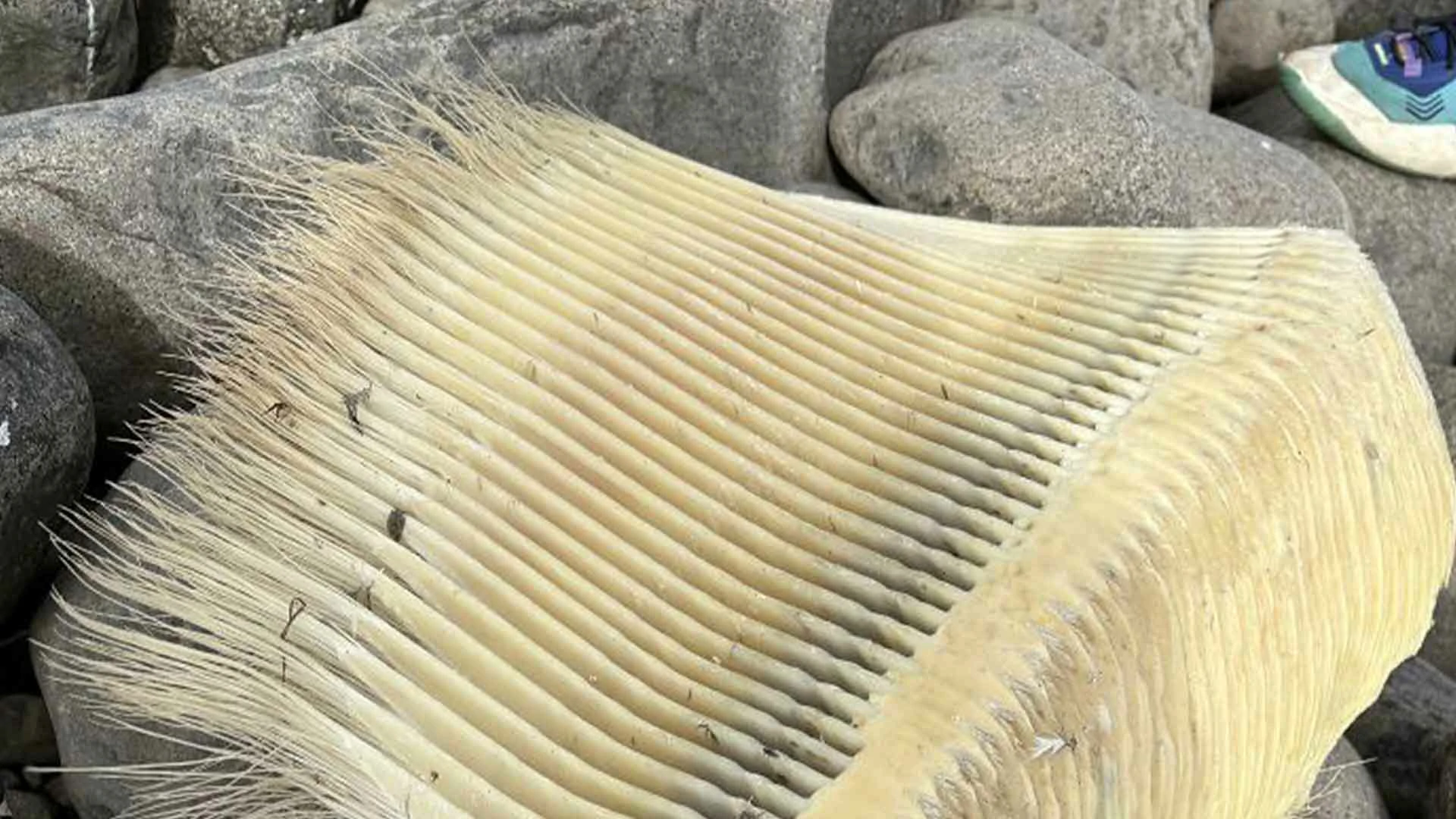
#10 I Found Whale Baleen On The Beach
Washed ashore among the shells and seaweed were strips of whale baleen. These long, keratinous plates lay scattered along the tide line, the longest nearly a meter, tough yet flexible, with frayed edges. Whales use baleen to filter krill and small fish; after death, the baleen may drift for thousands of miles. One commenter noted, “Hold it up to the light – you can see translucent layers.” Finding baleen on a beach is like receiving a gift card from a whale.
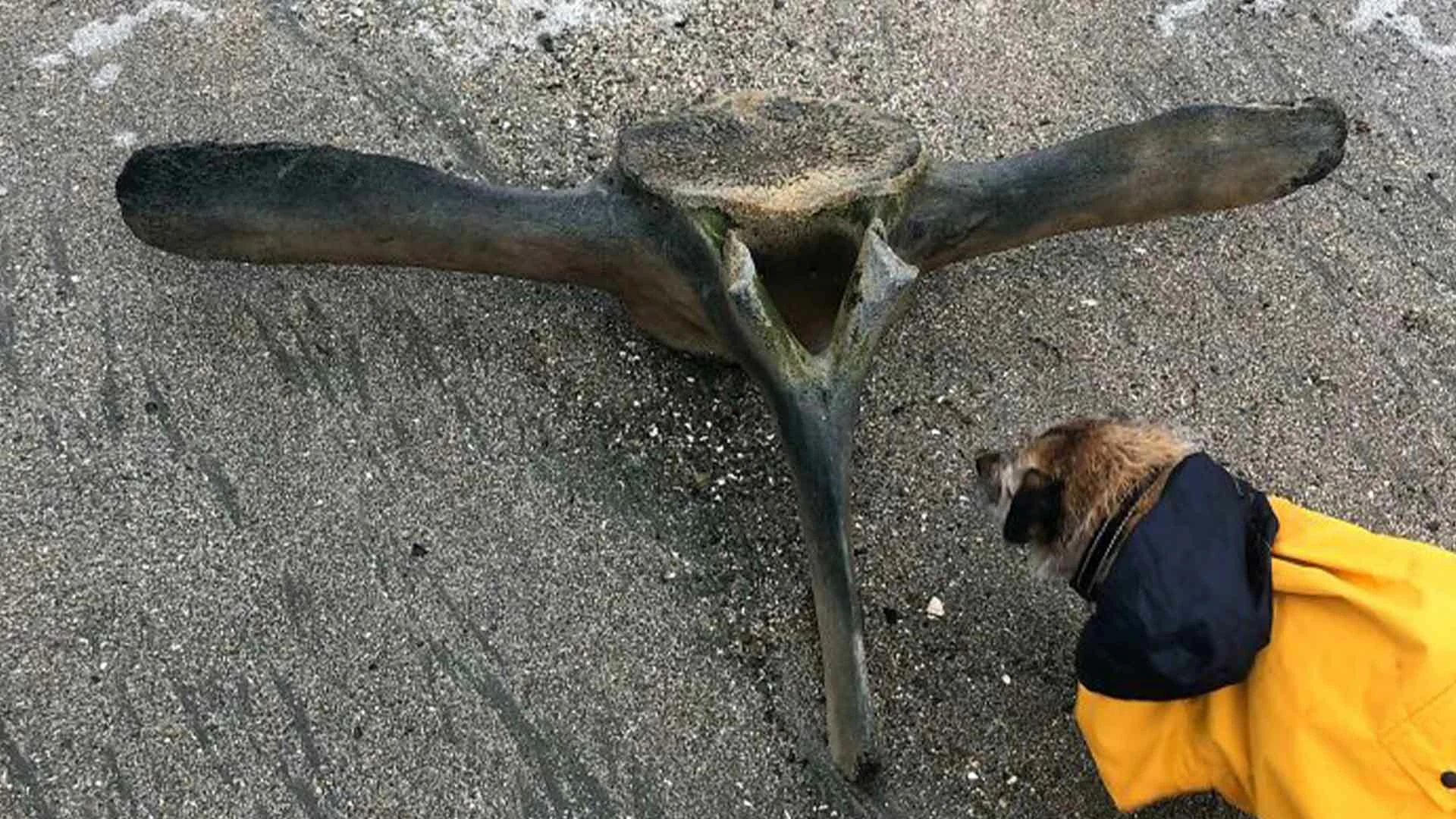
#11 My Dog Found A Huge Bone At The Beach Today
A dog sniffing along the sand suddenly dug up a bone thicker than its own leg, then ran excitedly through the waves, refusing to drop it. The bone had weathered and yellowed but was still complete – likely from a large marine mammal: a whale, a sea lion, or even a centuries‑old sailor‘s dinner. Whatever its origin, for the dog it was the best beach trophy of the summer.
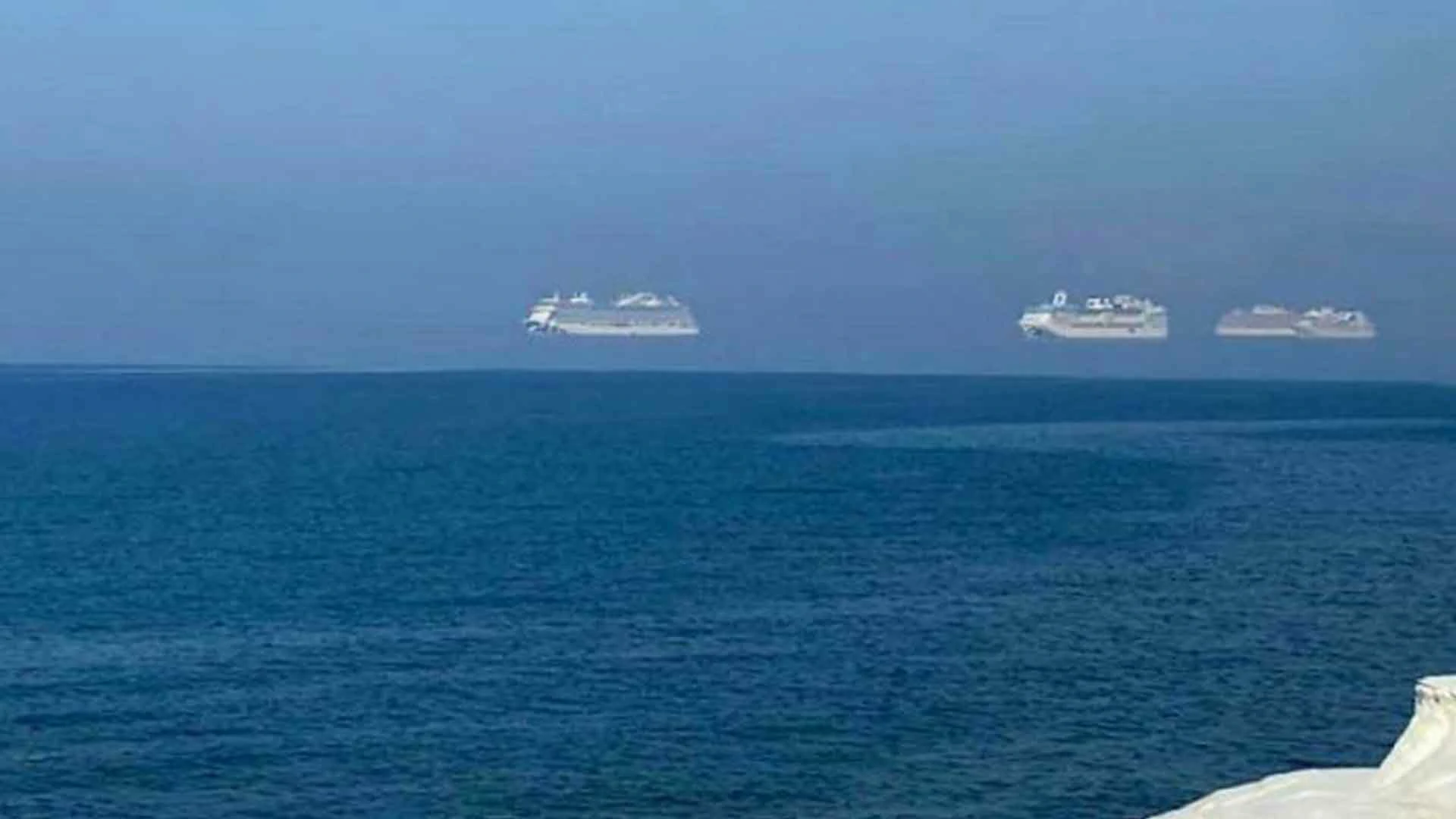
#12 Flying Cruise Ships Illusion (Fata Morgana) Spotted Today On The South East Shores Of Cyprus
Off the southeast coast of Cyprus, a surreal scene appeared on the horizon: a massive cruise ship hovering in mid‑air, with a clear gap of light between its hull and the sea, as if it had broken free of gravity. This is the Fata Morgana mirage, caused by light refraction due to temperature differences in the air. When a cold air layer sits above warm water, distant objects are stretched, lifted, and distorted. Seeing a “flying ship” on a beach beats any Hollywood special effect.
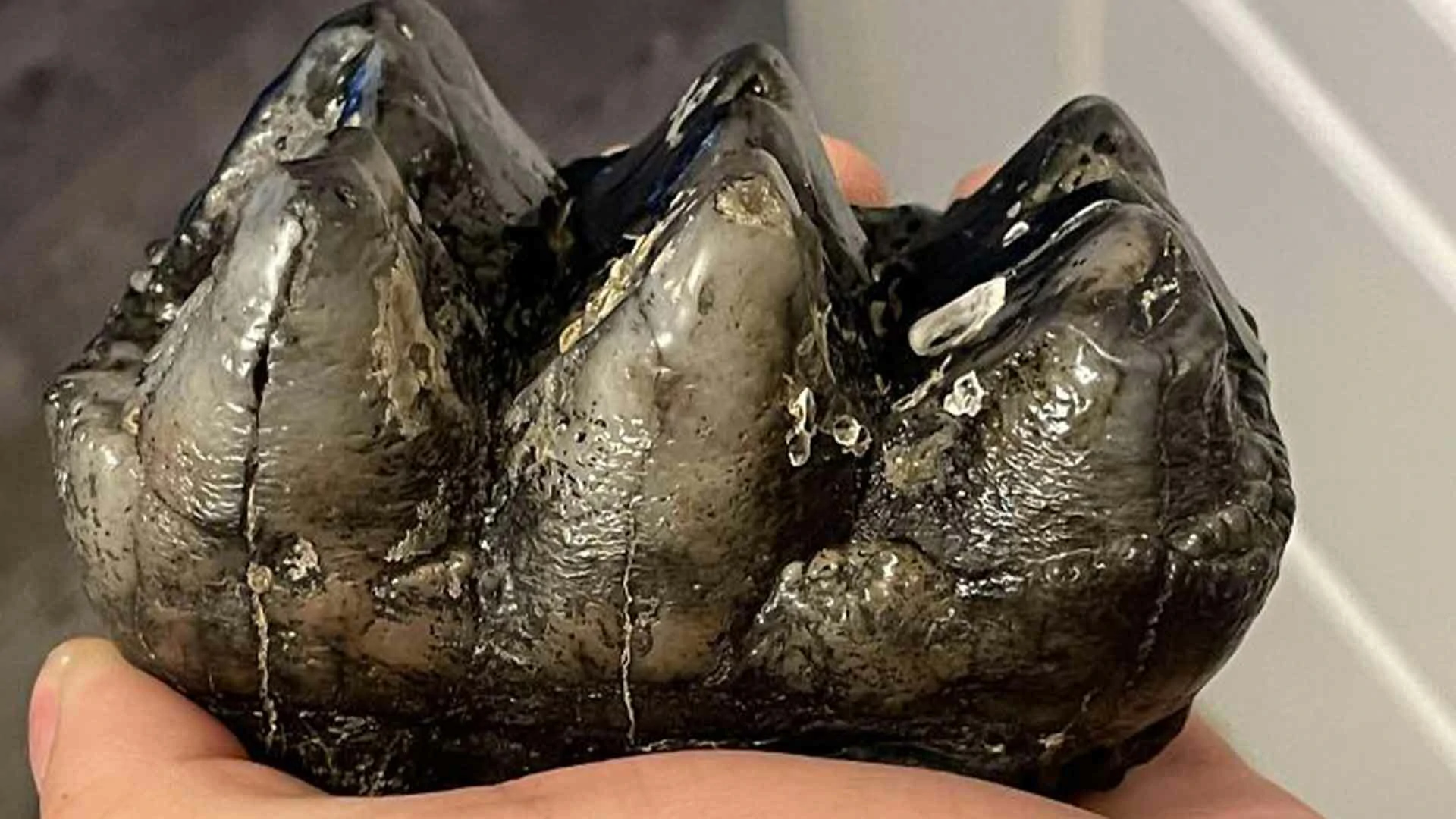
#13 Just Found This Tooth On The Beach
The tooth was conical, its enamel surface smooth, the root slightly damaged but the crown still complete – thicker than an adult thumb, hinting that it once belonged to a large predator. While many teeth are ground into irregular pebbles by currents, this one lay nearly pristine in the wet sand. A collector or fossil enthusiast would take it home to compare with identification guides. One commenter teased, “Congratulations – you can now renew your shark dentist license.” A single tooth can sometimes piece together a whole prehistoric food chain.
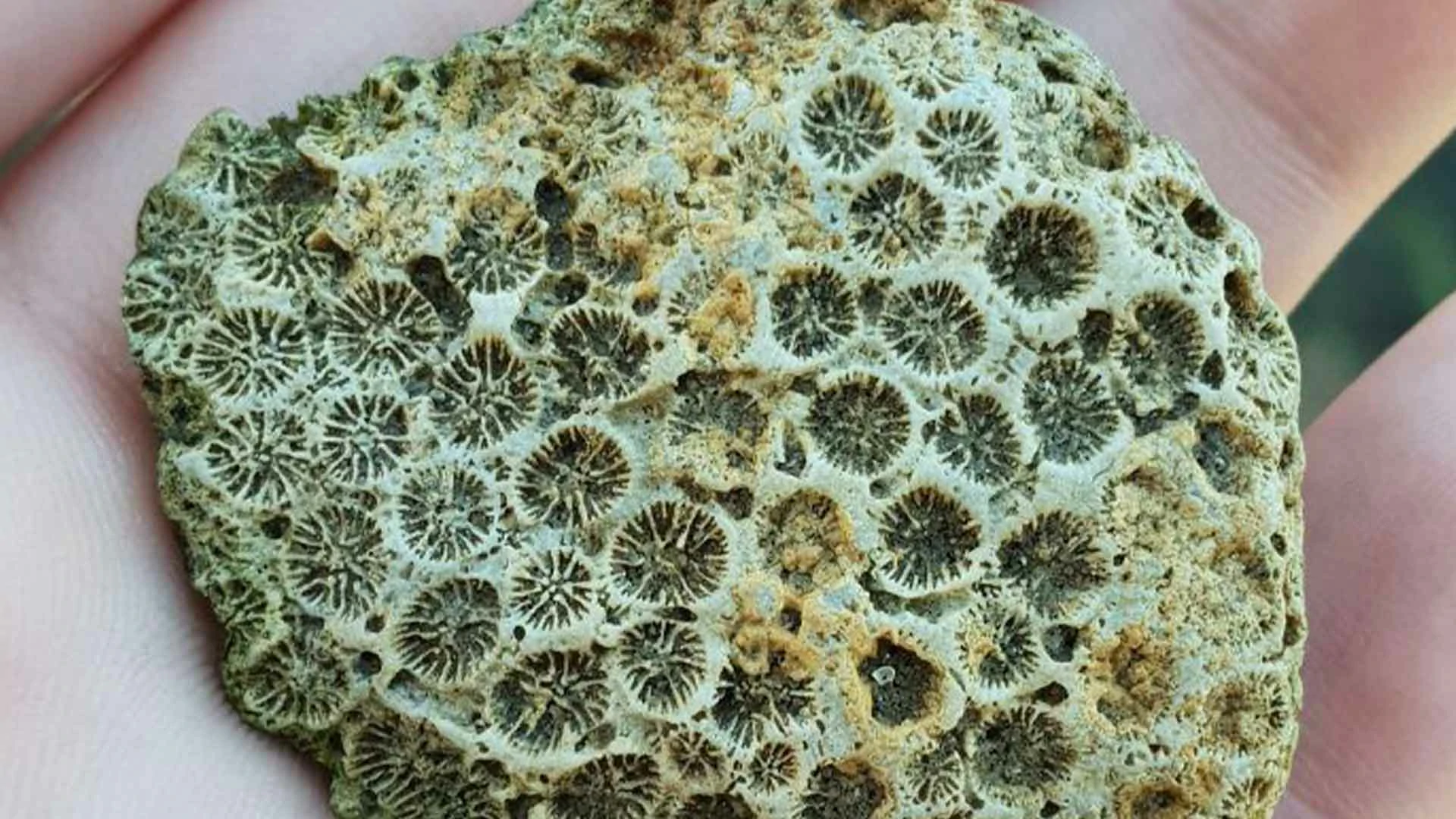
#14 I Found A Fossil At The Beach Today
The waves didn‘t just wash up modern remains – they also uncovered a spiraled fossil embedded in sandstone, its ribs clearly visible, slightly larger than an adult fist. This was an ammonite, a marine cephalopod that lived hundreds of millions of years ago, sharing oceans with dinosaurs. The sea treats shells and fossils equally, but fossils carry an extra “filter of time.” Holding an ammonite is like gripping a life that existed eons before humans walked the Earth.
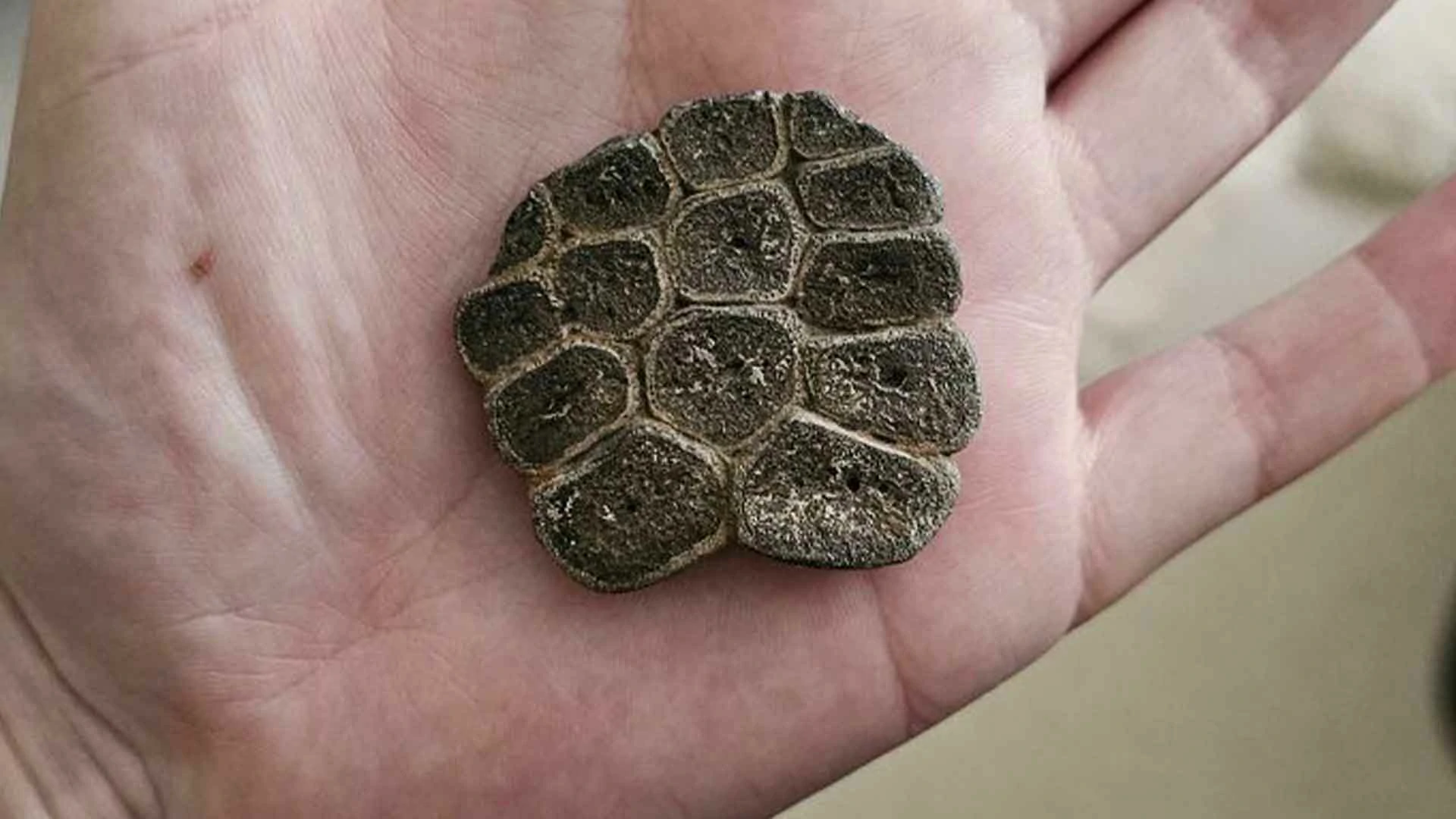
#15 Ichthyosaur Paddle Bone Which I Found On Charmouth Beach, UK
Among the pebbles of Charmouth Beach, a narrow, fossilised bone showed faint but distinct patterns. It was identified as an ichthyosaur paddle bone – a marine reptile from the Jurassic period, resembling a dolphin but with limbs evolved into paddles for propulsion. The bone was surprisingly complete, with visible joint surfaces. The Jurassic Coast of England is famous for such fossils, and finding one on an ordinary beach walk is like winning a lottery for amateur palaeontologists. A commenter noted, “You just bent down and picked up what museum curators dream of.”
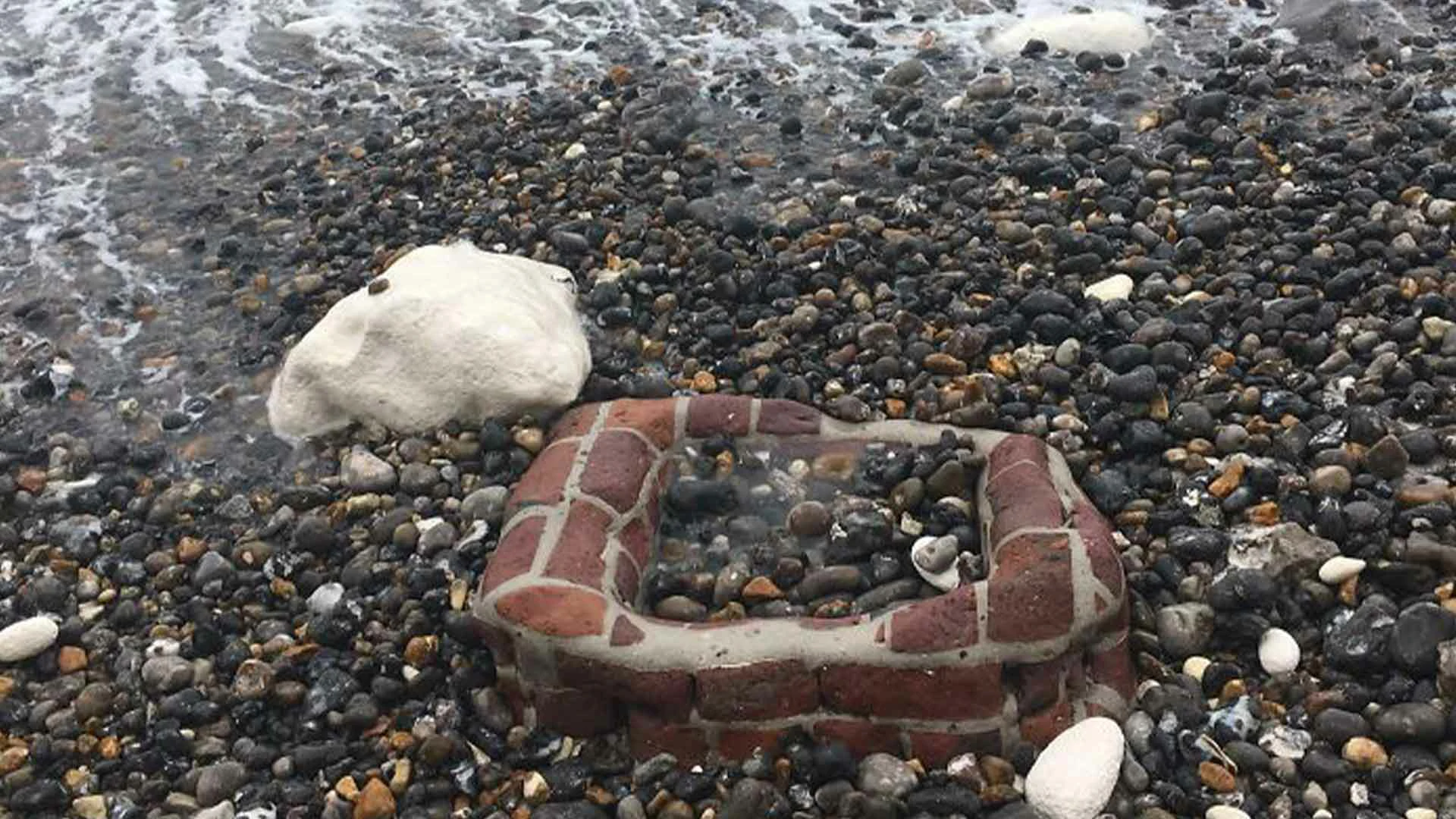
#16 What‘s Left Of This Chimney On The Beach
A crumbling brick chimney stood alone on the sand, with no house around it – the last “bone” of a seaside cottage swallowed by storms and tides. The sea had eroded the foundations, but the chimney, built of thick brick, had held out the longest. Now it serves as a landmark for beachgoers and a silent witness to the changing coastline. One commenter joked, “Santa Claus is probably buried under there.” It’s both a monument to erosion and a live lesson in coastal geography.
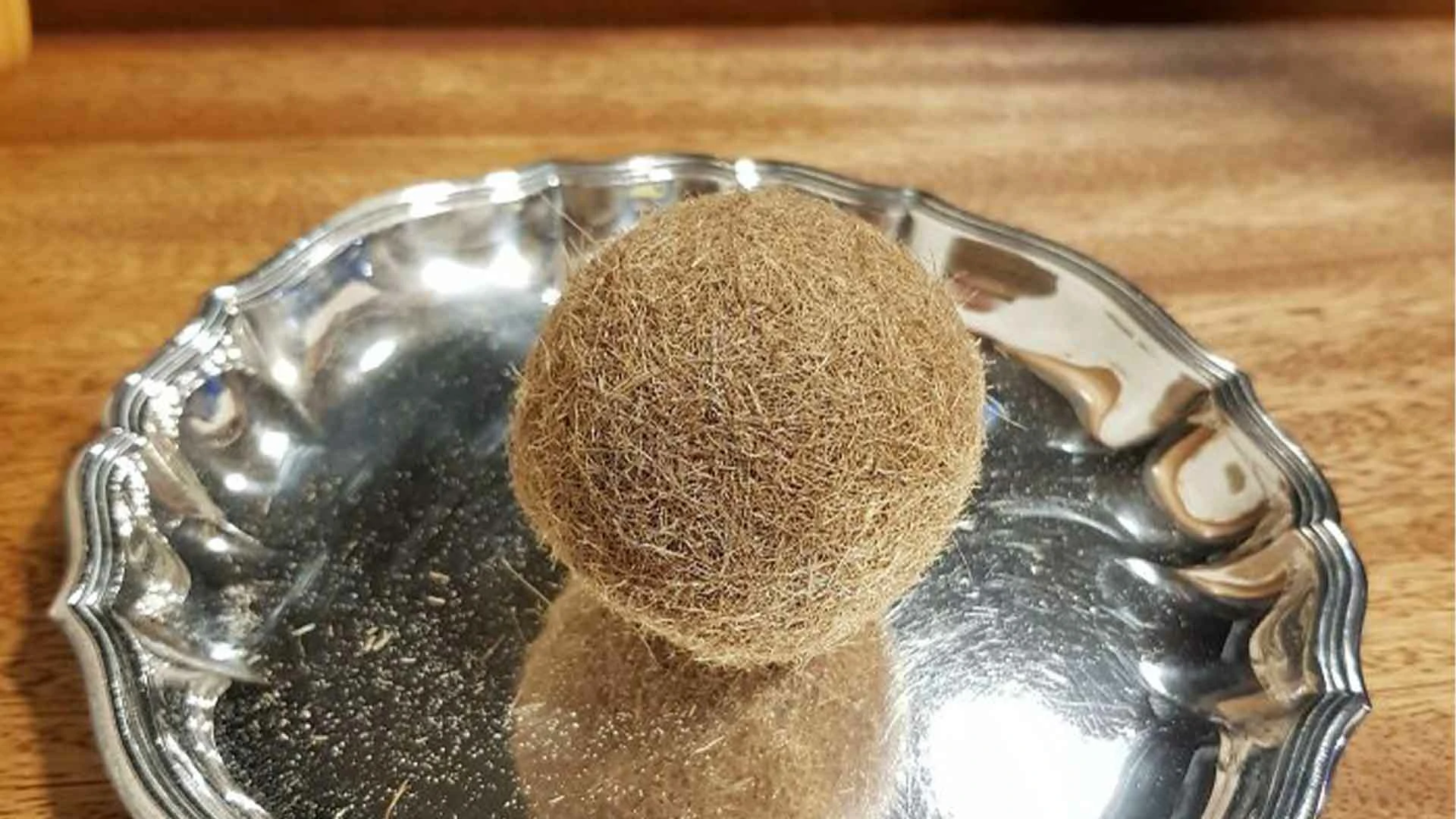
#17 What Is This Fiber/Sand Ball? Found Among Thousands Like It On A Beach In Spain
Hundreds of tan‑brown fiber balls littered a Spanish beach – some as large as tennis balls, others as small as marbles, incredibly light to the touch. They turned out to be “Neptune balls”, formed when shed fibers from Posidonia seagrass tangle and compact in the rolling waves. The balls are mostly air inside; they float like soft cork. Nicknamed “aquatic tumbleweeds”, they aren‘t true plant seeds but look exactly like little woven orbs the sea itself created.
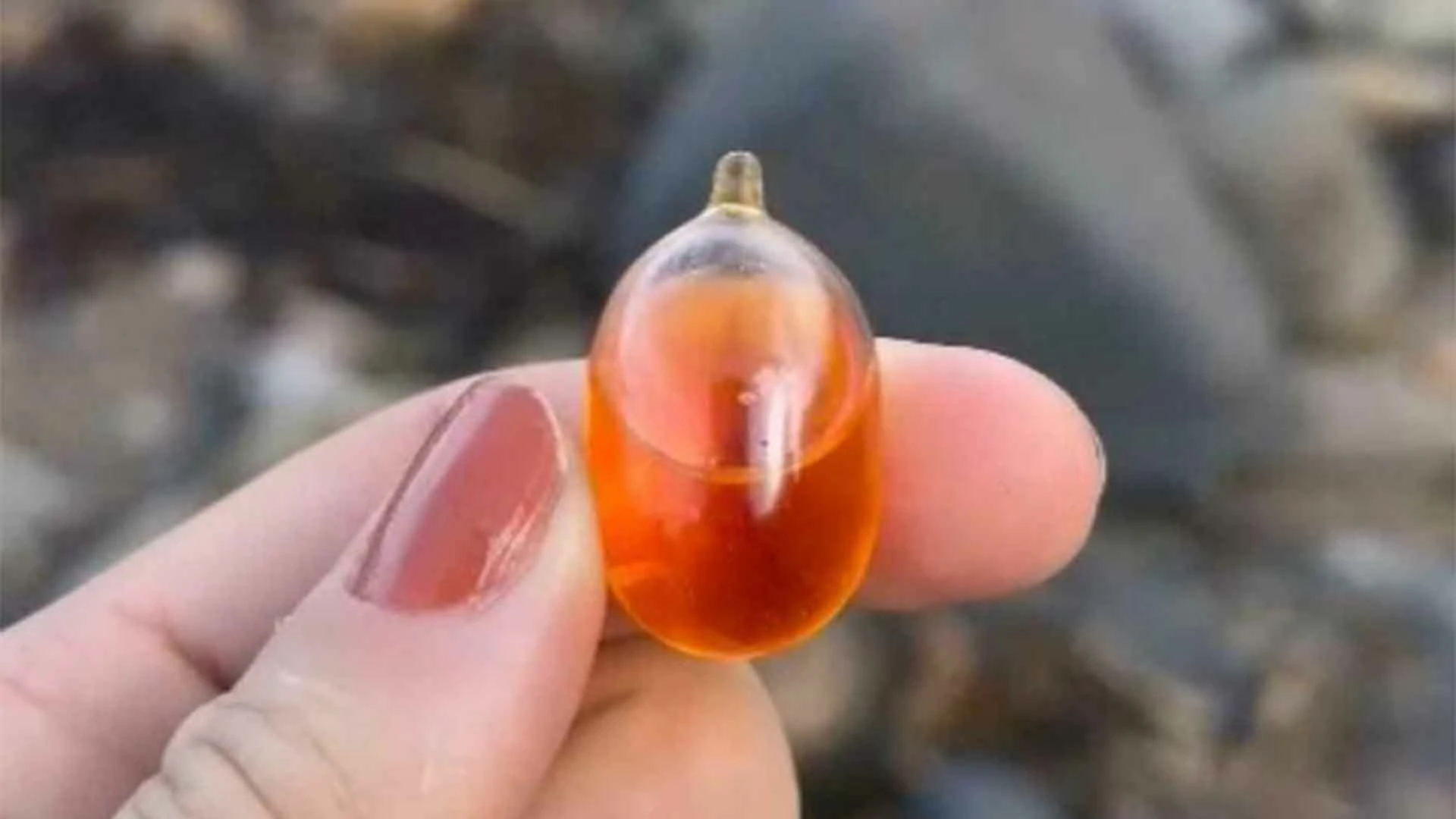
#18 Sealed Glass Vial On The Beach
On a Scottish beach, a fully sealed glass vial washed ashore. Inside was an orange liquid, the mouth sealed with wax, no label, no bubbles or sediment. The finder posted a warning: don’t open it blindly. Some speculated it was a WWII British acid igniter – the North Sea was a dumping ground for unused munitions. Others guessed perfume samples, medication, or toxic chemical residues. One commenter said it best, “Whatever you do, don‘t test it with your face.” Mysterious sealed containers on a beach are always more dangerous than they look.
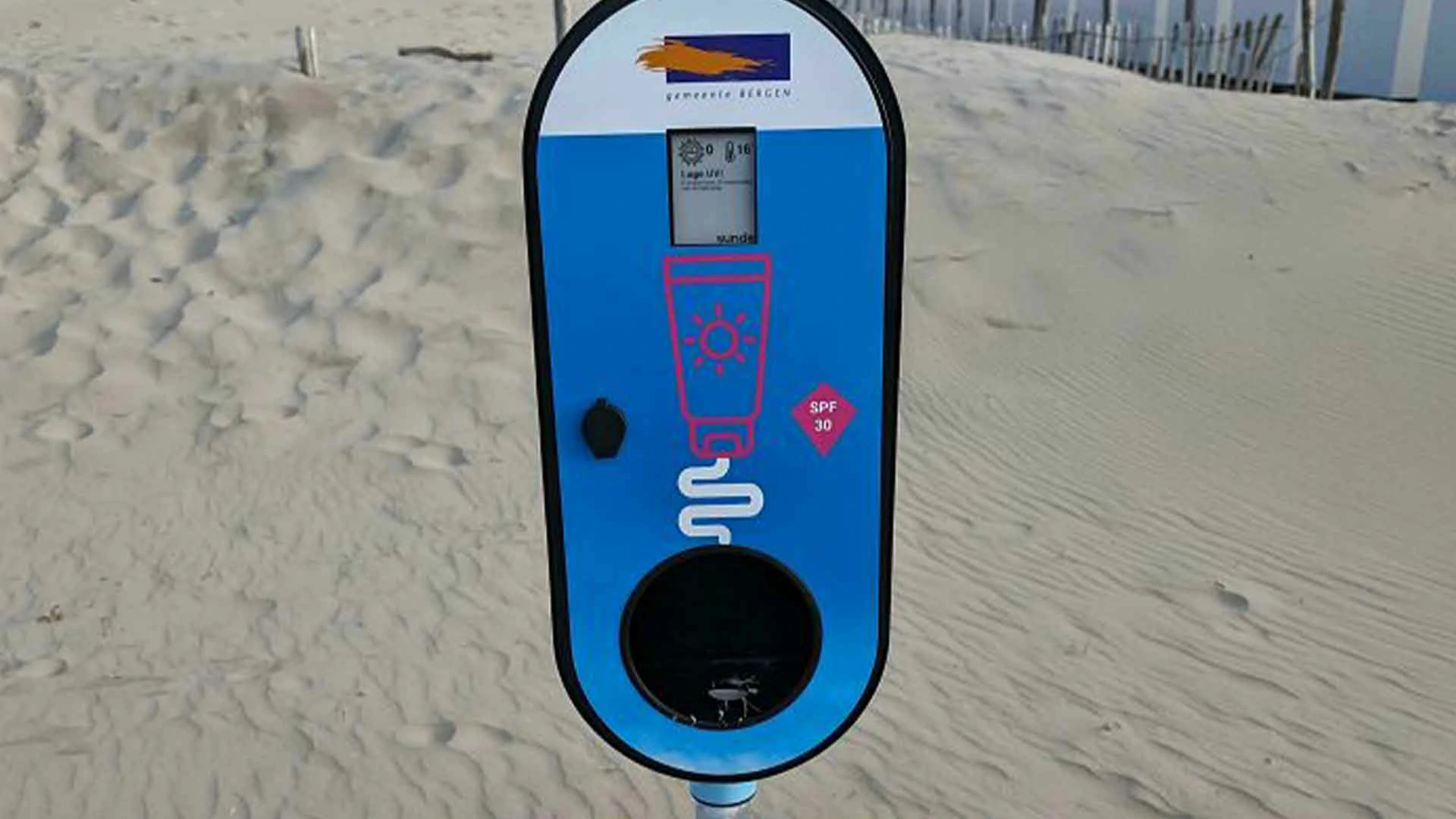
#19 The Beaches Here In The Netherlands Have Free Sunscreen Dispensers
On many Dutch beaches, free sunscreen dispensers are mounted along public walkways, looking like automated hand‑sanitizer machines. A simple push dispenses plenty of lotion, helping visitors reduce sunburn risk while enjoying the coast. The initiative lowers skin cancer rates and gently nudges people into good sun protection habits. One comment called it “the most reasonable and useful public amenity I’ve ever seen.” On a beach, free sunscreen can be more heartwarming than any treasure you might find.
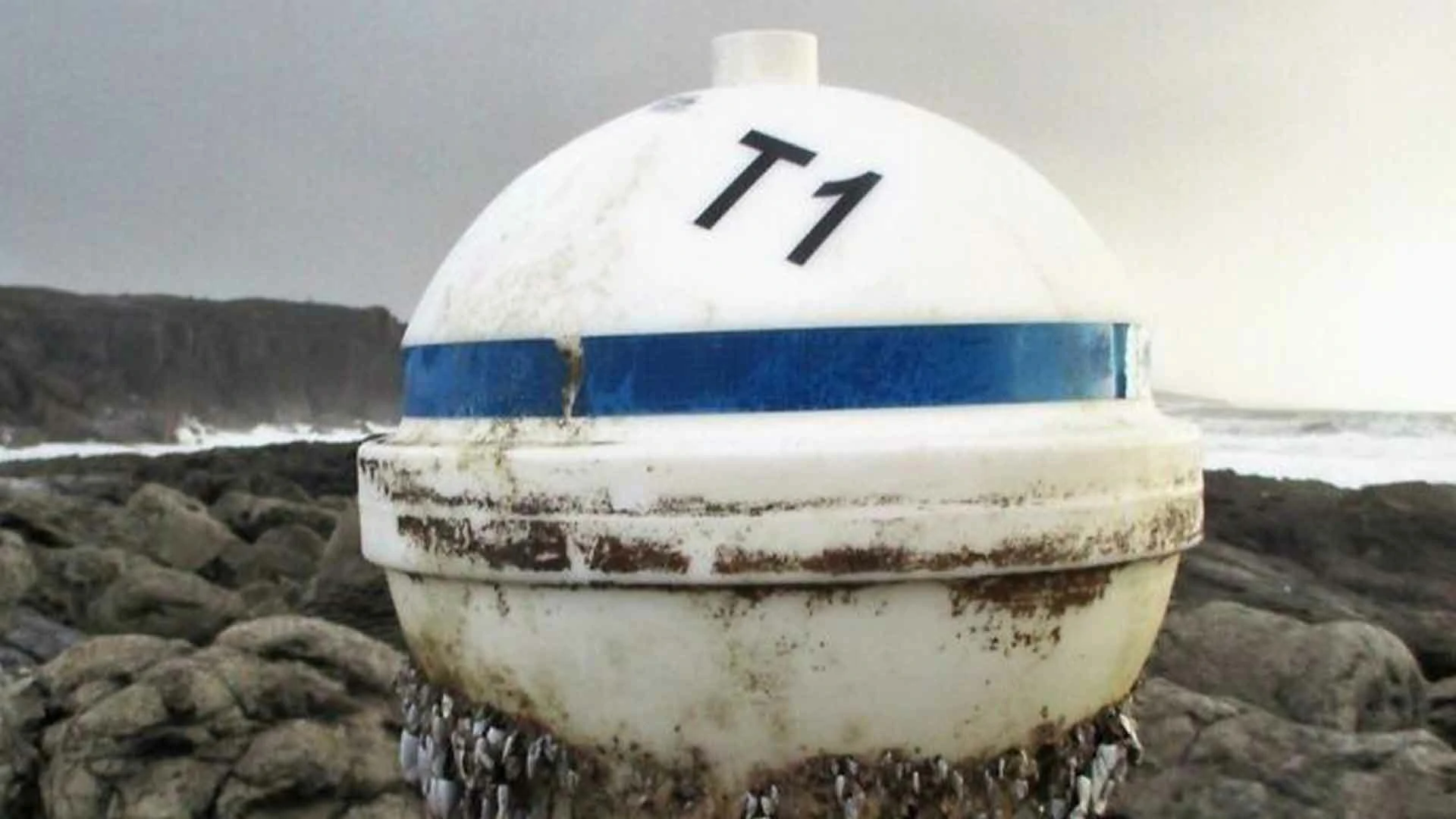
#20 This Buoy From The Florida Keys National Marine Sanctuary Recently Washed Up On The Shores Of Ireland
A scientific buoy marked “Florida Keys National Marine Sanctuary” traveled thousands of kilometers across the Atlantic, carried by the Gulf Stream and North Atlantic Drift, until it washed up on an Irish beach. Its surface had faded, and barnacles and algae covered parts, but the lettering was still legible. The finders alerted marine authorities, hoping to recover the buoy and the oceanographic data it had recorded. As one commenter put it, the buoy was a “self‑moving exhibit” – telling not just its own journey, but how ocean currents connect continents.
Advertisements
Advertisements